

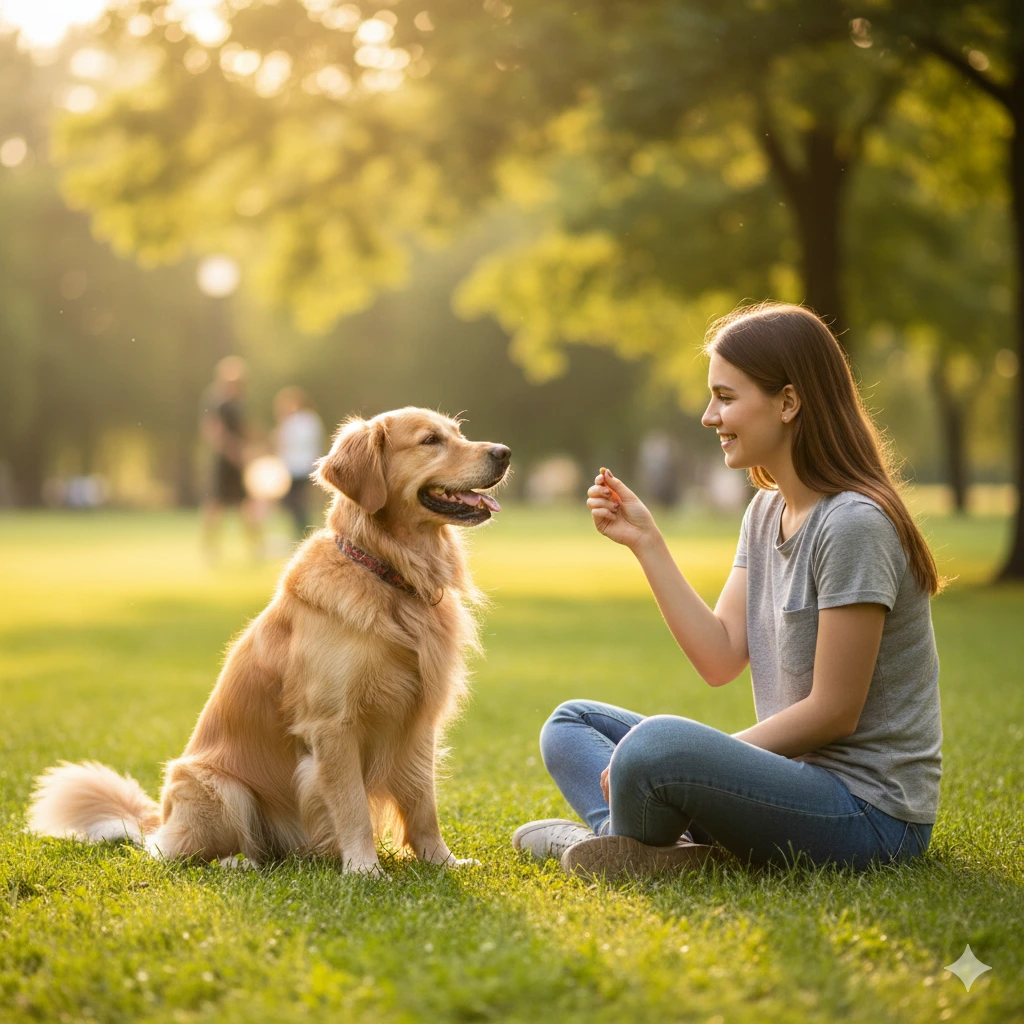
Building a strong relationship with your dog is one of the most rewarding experiences of pet ownership. A healthy dog-owner bond goes beyond basic care, creating trust, loyalty, and companionship. Dogs are social animals that thrive on interaction, attention, and positive experiences with their owners. By understanding their needs and communicating effectively, you can develop a deep connection that benefits both you and your furry friend.
Why a Strong Bond with Your Dog Is Important
A strong bond with your dog improves their emotional well-being, reduces anxiety, and encourages good behavior. Dogs that trust their owners are more obedient, confident, and responsive to training. A strong human-dog relationship also enhances the joy of pet ownership, strengthens loyalty, and makes everyday routines like walks, feeding, and playtime more enjoyable for both parties.
Benefits of a Strong Dog Bond
Developing a strong connection with your dog leads to better obedience, reduced behavioral issues, and increased emotional attachment. It creates an environment where your dog feels secure and loved, improving overall health and happiness. Additionally, dogs with strong bonds are more likely to respond positively to training, making communication easier and more effective.
Spend Quality Time Together
The foundation of a strong dog-owner bond is spending consistent and meaningful time together. Dogs thrive on attention and enjoy activities that involve their owners. Daily walks, playtime with favorite toys, and quiet cuddle sessions help strengthen the connection. Interactive games like fetch, tug-of-war, or puzzle toys provide both mental and physical stimulation, fostering trust and companionship.
Practice Positive Reinforcement
Training using positive reinforcement is essential for building a strong relationship. Reward-based training teaches dogs that listening and following commands results in rewards, which encourages cooperation and trust. Treats, verbal praise, gentle petting, or playtime can be used as rewards for good behavior. Avoid punishment-based training methods, as they can harm trust and create fear, undermining the bond with your dog.
Positive Reinforcement Techniques
Using treats for completed commands, verbal encouragement like “good boy” or “good girl,” and clicker training are effective ways to reinforce positive behavior. Consistency, patience, and gentle guidance ensure that your dog understands expectations and feels secure in their relationship with you.
Communicate Clearly and Consistently
Clear communication is key to a strong dog-owner bond. Dogs respond better to tone, body language, and consistent cues rather than complex words. Using simple commands such as sit, stay, come, and leave it, paired with hand signals, helps dogs understand expectations. Maintaining a calm, friendly tone and applying rules consistently reduces confusion and builds trust.
Understand Your Dog’s Body Language
Dogs communicate primarily through body language. Learning to read and respond appropriately to these signals strengthens your bond. A wagging tail often indicates happiness or excitement, while raised hackles may signal fear or stress. Relaxed ears and soft eyes show comfort, and behaviors like yawning or lip licking can indicate anxiety. Respecting your dog’s signals and responding with patience and care enhances trust and deepens emotional connection.
Engage in Mental and Physical Exercise
Regular mental and physical exercise is crucial for a well-adjusted dog. Active dogs are healthier, happier, and more responsive to their owners. Daily walks, hikes, or runs provide physical stimulation, while puzzle toys, treat-dispensing games, and training sessions offer mental challenges. Interactive play and exercise create shared experiences that strengthen your bond and demonstrate care and attention.
Practice Patience and Empathy
Building a strong human-dog relationship requires patience, understanding, and empathy. Dogs have moods, fears, and preferences that must be acknowledged. Being gentle with new commands, allowing time for adjustment to new environments, avoiding punishment for accidents, and offering reassurance during stress all show empathy. Responding with patience and understanding fosters trust, confidence, and a deeper emotional connection.
Incorporate Grooming and Health Care
Routine grooming and health care are excellent ways to reinforce the bond between you and your dog. Brushing, bathing, nail trimming, and regular vet visits show that you care for their well-being. Rewarding your dog during and after grooming with treats or affection makes these experiences positive. Regular care and attention not only promote health but also strengthen trust and comfort in your relationship.
Final Thoughts
Creating a strong bond with your dog takes time, effort, and understanding. By spending quality time together, using positive reinforcement, communicating clearly, interpreting body language, engaging in exercise, practicing empathy, and prioritizing grooming and health care, you can foster a deep and lasting connection. A well-bonded dog is more confident, happy, and responsive, making life together enjoyable for both pet and owner. Consistently applying these strategies transforms ordinary interactions into meaningful experiences, building a dog-owner bond that lasts a lifetime.