

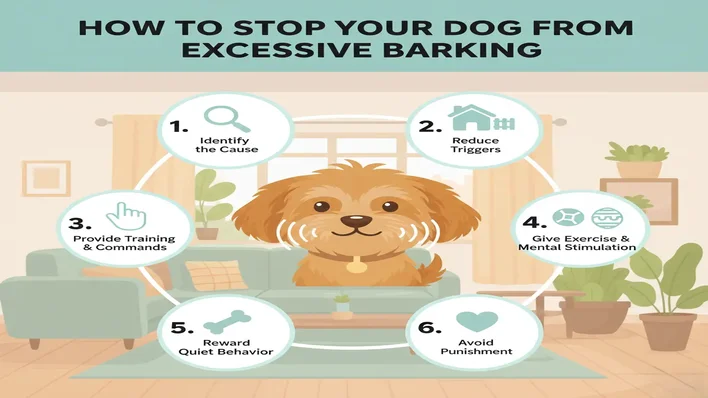
Dogs bark—it’s completely natural. Barking is their way of communicating excitement, fear, alertness, or even boredom. However, excessive barking can become a problem, especially when it disrupts your home, your neighbours, or your dog’s well-being. The good news? With patience, training, and consistency, you can significantly reduce unwanted barking and help your dog stay calm and confident.
In this guide, you’ll learn the most effective methods to stop your dog from barking too much and understand what triggers this behaviour in the first place.
1. Identify the Cause of the Barking
Before you can fix excessive barking, you need to know why your dog is barking. Common triggers include:
- Attention-seeking
- Boredom or lack of exercise
- Fear or anxiety
- Territorial behaviour
- Sounds like doorbells, traffic, or other dogs
- Excitement during play
- Separation anxiety
Understanding the root cause makes it easier to choose the right training method.
2. Provide More Physical and Mental Exercise
Many dogs bark simply because they have pent-up energy. Increasing your dog’s activity level can greatly reduce barking.
Try these activities:
- Daily walks
- Tug games or fetch
- Puzzle toys
- Sniffing activities
- Interactive games
A tired dog is less likely to bark out of boredom or frustration.
3. Use Positive Reinforcement Training
Training your dog using positive reinforcement is one of the most effective ways to stop excessive barking. Reward your dog when they stay quiet.
Steps:
- Wait for a moment of silence.
- Immediately reward with a treat or praise.
- Practice frequently to reinforce calm behaviour.
Over time, your dog learns that staying quiet earns rewards.
4. Teach the “Quiet” Command
Teaching “quiet” is a powerful way to control barking.
How to train it:
- Allow your dog to bark a few times.
- Say “Quiet” calmly.
- When they stop barking—even for a second—reward them.
- Repeat until they associate “quiet” with stopping.
Avoid yelling at your dog, as this can increase their anxiety and cause more barking.
5. Remove or Reduce Barking Triggers
Some barking triggers can be easily managed. For example:
- Close curtains if your dog barks at people passing by.
- Play white noise to block outside sounds.
- Use baby gates to limit access to windows.
- Provide a safe space away from distractions.
By minimizing triggers, you help your dog stay calm.
6. Socialize Your Dog Regularly
Dogs that lack socialization often bark due to fear or nervousness. Introducing your dog gradually to:
- New environments
- Sounds
- People
- Other animals
helps build confidence and reduce reactive barking.
7. Avoid Reinforcing the Barking Behavior
Many owners accidentally encourage barking without realizing it. For example, giving attention—positive or negative—when your dog barks can make the behaviour stronger.
Avoid:
- Picking up your dog when they bark for attention
- Yelling “stop” repeatedly
- Giving treats to distract barking
Instead, reward silence and remain calm.
8. Provide Chew Toys and Enrichment Activities
Mental stimulation keeps your dog occupied and prevents boredom barking.
Recommended enrichment:
- Long-lasting chew toys
- Frozen treats
- Snuffle mats
- Food-dispensing toys
These give your dog something productive to focus on instead of barking.
9. Use Desensitization Techniques for Specific Sounds
If your dog barks at sounds like doorbells or honking, you can train them through sound desensitization.
Steps:
- Play the sound at a low volume.
- Reward your dog for staying calm.
- Gradually increase the volume over several days.
- Continue until the sound no longer triggers barking.
This method builds tolerance and reduces fear-based reactions.
10. Manage Separation Anxiety if That’s the Cause
If your dog barks when left alone, they may have separation anxiety. Signs include pacing, whining, destructive behaviour, and constant barking.
Solutions:
- Practice short departures
- Leave engaging toys behind
- Use calming music or scent
- Avoid dramatic greetings or goodbyes
- Consider professional behaviour training if needed
Addressing separation anxiety early makes a big difference.
11. Stay Consistent and Patient
Training takes time. Every dog learns at their own pace, so it’s important to:
- Keep sessions short and positive
- Repeat daily
- Reward good behaviour consistently
- Avoid punishment
Punishment-based methods often create fear and worsen barking.
12. Seek Help from a Professional Trainer
If the barking is severe or persistent, consulting:
- A certified dog trainer
- A veterinary behaviourist
can provide personalized strategies and uncover hidden behaviour issues.
Final Thoughts
Excessive barking can be frustrating, but remember—it’s your dog’s way of communicating. By understanding the cause, providing proper training, and creating a calm environment, you can successfully reduce unnecessary barking and strengthen your bond with your pet.
With patience, positive reinforcement, and consistency, your dog can learn to stay relaxed and quiet while still being the expressive companion you love.