

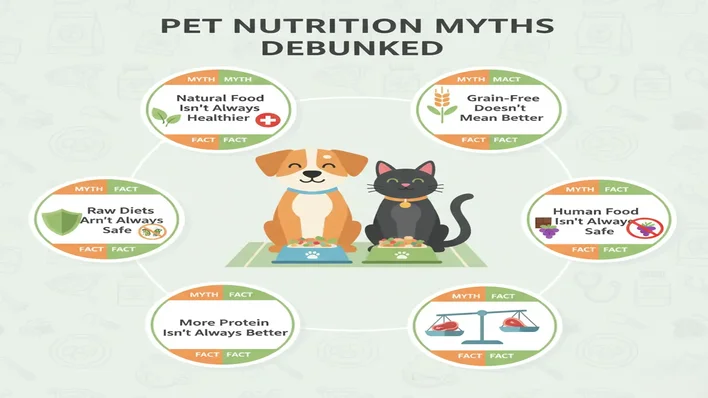
Proper pet nutrition is essential for the health and well-being of your dogs and cats. However, the abundance of conflicting information online has led many pet owners to believe in common pet nutrition myths. Following misleading advice can negatively affect your pet’s health, causing issues like digestive problems, obesity, allergies, and nutrient deficiencies. Understanding what is fact and what is fiction is critical to providing your pet with a healthy, balanced diet. In this guide, we will debunk the most widespread pet nutrition myths and provide science-backed insights to ensure your furry companions receive the best care.
Understanding the Importance of Pet Nutrition
Good pet nutrition supports energy levels, healthy growth, a shiny coat, strong immune function, and longevity. Whether your pet is a dog or a cat, their dietary needs differ significantly from humans. Many pet owners mistakenly apply human food rules to animals, which can be dangerous. For instance, foods safe for humans may contain ingredients like chocolate, onions, grapes, or xylitol that are toxic to pets. A well-formulated diet is essential to avoid serious health complications. Knowing the facts behind pet nutrition helps you make informed choices and prevent common health problems.
Myth 1: Dogs Can Eat the Same Food as Humans
A common pet nutrition myth is that dogs can safely consume the same foods humans eat. While dogs are omnivores, their digestive system is different from humans. Feeding dogs table scraps may lead to digestive upset, obesity, and exposure to toxic ingredients. High-fat foods, sugary snacks, and processed meals are harmful over time. Instead, provide a balanced dog diet that includes high-quality proteins, healthy fats, and essential vitamins and minerals. Commercial dog food formulated by nutrition experts ensures that your dog receives all necessary nutrients.
Myth 2: Cats Can Survive on Dog Food
Another widespread myth is that cats can thrive on dog food. This is dangerous because cats are obligate carnivores, meaning they require nutrients found only in animal protein. Essential components like taurine, vitamin A, and arachidonic acid are lacking in most dog foods. Feeding cats a dog-only diet can lead to heart disease, vision problems, and malnutrition. Always select cat-specific food to meet their unique nutritional requirements and support long-term health.
Myth 3: Grain-Free Diets Are Always Better
Many pet owners believe that grain-free diets are healthier. While marketed as premium options, grains are not inherently harmful to most dogs and cats. Grains provide fiber, energy, and essential nutrients. In fact, unnecessary grain-free diets have been linked to heart problems like dilated cardiomyopathy in some dogs. Unless your pet has a diagnosed grain allergy, a balanced diet containing whole grains is perfectly safe. Selecting the right pet food means focusing on quality ingredients rather than avoiding grains unnecessarily.
Myth 4: Raw Feeding Is Always Superior
Raw feeding has become popular because it claims to mimic natural diets. While a properly balanced raw diet can be healthy, it carries significant risks including bacterial contamination, nutritional imbalance, and bone-related injuries. Most homemade raw diets lack essential nutrients unless carefully formulated by a veterinary nutritionist. If choosing a raw diet, consult with a professional to ensure safety and nutritional adequacy. Raw food diets require proper handling and monitoring to prevent health issues.
Myth 5: More Protein Is Always Better
Many pet owners assume that high-protein diets are automatically better. While protein is essential for muscle development and overall health, excessive protein can strain organs like the kidneys and liver, particularly in older pets or those with pre-existing conditions. A balanced diet with the correct protein levels, tailored to your pet’s age, activity level, and health status, is critical for long-term wellness. Consult your veterinarian to determine the ideal protein intake for your pet.
Myth 6: Home-Cooked Meals Are Automatically Healthier
Preparing home-cooked meals for pets is often assumed to be healthier than commercial food. While home-cooked meals can be beneficial, most are not nutritionally complete unless designed by a veterinary nutritionist. Deficiencies in calcium, taurine, and essential fatty acids are common in improperly balanced homemade diets. To ensure your pet receives complete nutrition, follow vetted recipes or consult a professional when preparing homemade meals.
Myth 7: Dry Food Cleans Teeth
Many pet owners believe that dry kibble naturally cleans teeth and prevents dental disease. While some dental-specific kibbles may reduce plaque buildup, most regular dry foods do not provide sufficient dental care. Pets require additional oral hygiene practices such as brushing, dental chews, and regular veterinary dental checkups. Good dental health contributes to overall well-being and can prevent infections and other systemic issues.
Myth 8: Pets Should Avoid Wet Food
Another myth is that wet food is bad for pets’ teeth or overall health. Wet food actually provides benefits such as increased hydration, better digestion, and palatability for older or picky pets. Dental health should be maintained with proper brushing and chews, not by avoiding wet food. Including wet food in your pet’s diet can improve their hydration and support healthy kidney and urinary function.
Myth 9: Frequent Diet Changes Are Harmful
Some pet owners avoid changing their pet’s food due to concerns about digestive upset. Gradual transitions between foods are safe and often beneficial. They allow pets to experience varied nutrients and maintain gut health. Switching diets slowly over 5–7 days helps prevent stomach upset while introducing new flavors and nutrients. Diet variety can enhance nutrition and keep pets interested in their meals.
Myth 10: Supplements Are Always Necessary
Many pet owners believe that giving supplements is required for optimal health. While some pets benefit from specific supplements like omega-3 fatty acids or probiotics, over-supplementation can cause harm. High-quality, complete commercial pet foods already contain necessary nutrients. Supplements should only be used when recommended by a veterinarian based on your pet’s health needs.
Understanding the truth behind pet nutrition myths is critical for maintaining the health and happiness of your dogs and cats. Feeding balanced diets, consulting professionals when making major changes, and avoiding misinformation will ensure your pets thrive. By debunking these common myths, you can make informed decisions, prevent nutrient deficiencies, and support a long, healthy life for your furry companions. Proper pet nutrition is not only about choosing the right food but also about understanding the science behind it, providing balanced meals, and adjusting according to your pet’s unique requirements. Always prioritize evidence-based practices over trends to ensure your pets live healthier, happier lives.