

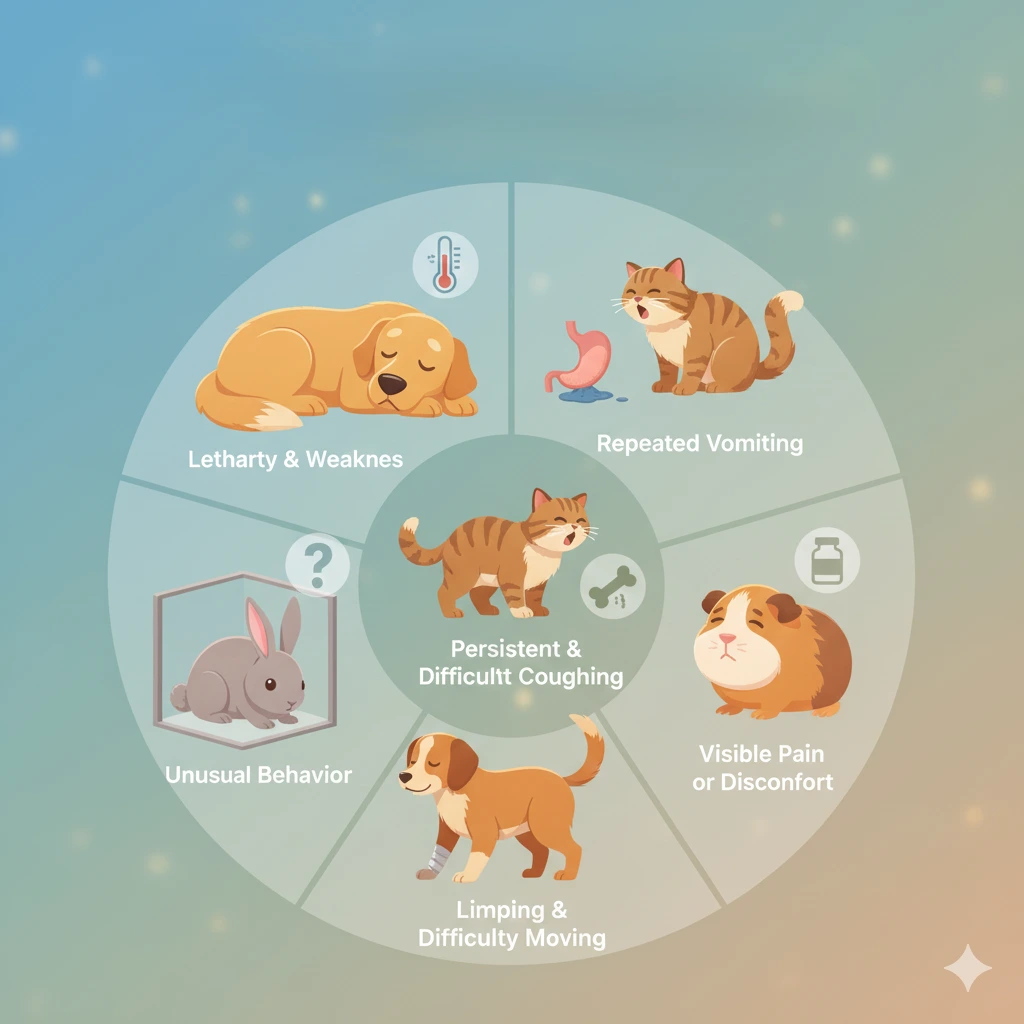
Pets can’t tell us when they’re feeling unwell, so it’s crucial for pet owners to recognize warning signs that require immediate veterinary attention. Acting quickly can prevent minor issues from becoming serious or even life-threatening. Here are the most common signs your pet needs a vet visit immediately.
1. Difficulty Breathing
Labored breathing, wheezing, or rapid panting can indicate serious conditions such as heart problems, respiratory infections, or allergic reactions. If your pet is struggling to breathe, seek veterinary care immediately, as this can be life-threatening.
2. Sudden Lethargy or Weakness
A sudden drop in energy or weakness may be a sign of infection, organ failure, or poisoning. Healthy pets are usually active and alert, so noticeable lethargy is a red flag that should not be ignored.
3. Persistent Vomiting or Diarrhea
Occasional vomiting or diarrhea can happen, but persistent or severe episodes can lead to dehydration and nutrient loss. Blood in vomit or stool is a serious warning and requires prompt veterinary evaluation.
4. Loss of Appetite
A short-term refusal to eat may be normal, but if your pet refuses food for more than 24 hours, it could indicate illness. Loss of appetite can be a symptom of digestive problems, kidney disease, or infections.
5. Excessive Thirst or Urination
Drinking or urinating more than usual may signal diabetes, kidney disease, or urinary tract infections. Sudden changes in water consumption or urination patterns require immediate attention.
6. Seizures or Uncontrolled Tremors
Seizures, shaking, or tremors are signs of neurological issues, poisoning, or metabolic disorders. These symptoms are emergencies, and pets should be seen by a vet as soon as possible.
7. Bleeding or Severe Injuries
Any uncontrolled bleeding, deep cuts, or broken bones require immediate veterinary care. Even minor injuries can become infected if not treated properly.
8. Difficulty Walking or Lameness
Sudden limping, stiffness, or inability to walk may indicate injury, arthritis flare-ups, or neurological problems. Immediate assessment can prevent further damage or permanent disability.
9. Swelling or Bloating
Abdominal swelling or bloating, especially if the pet seems uncomfortable or restless, can signal dangerous conditions like gastric torsion (bloat) in dogs, which is life-threatening and needs urgent veterinary care.
10. Behavioral Changes
Sudden aggression, confusion, hiding, or unusual vocalizations can indicate pain, illness, or neurological issues. Any significant change in behavior warrants a prompt checkup.
11. Eye or Ear Problems
Redness, discharge, cloudiness, or swelling in the eyes or ears can indicate infection, injury, or other medical conditions. Eye or ear issues can worsen quickly without treatment.
12. Persistent Coughing or Sneezing
Continuous coughing or sneezing may indicate respiratory infections, heart disease, or allergies. If symptoms persist or worsen, a veterinarian should examine your pet.
Tips for Pet Owners
- Observe your pet daily for changes in appetite, behavior, or activity levels.
- Keep emergency vet contacts accessible.
- Don’t wait to see if symptoms improve on their own, especially if they are sudden or severe.
- Take note of any unusual signs, as detailed information helps the veterinarian diagnose the problem quickly.
Final Thoughts
Recognizing the common signs your pet needs a vet visit immediately can save your pet’s life and prevent complications. Pets often hide discomfort, so being vigilant about sudden changes in behavior, appetite, or physical health is crucial. Early veterinary care ensures your furry friend stays healthy, happy, and safe.