

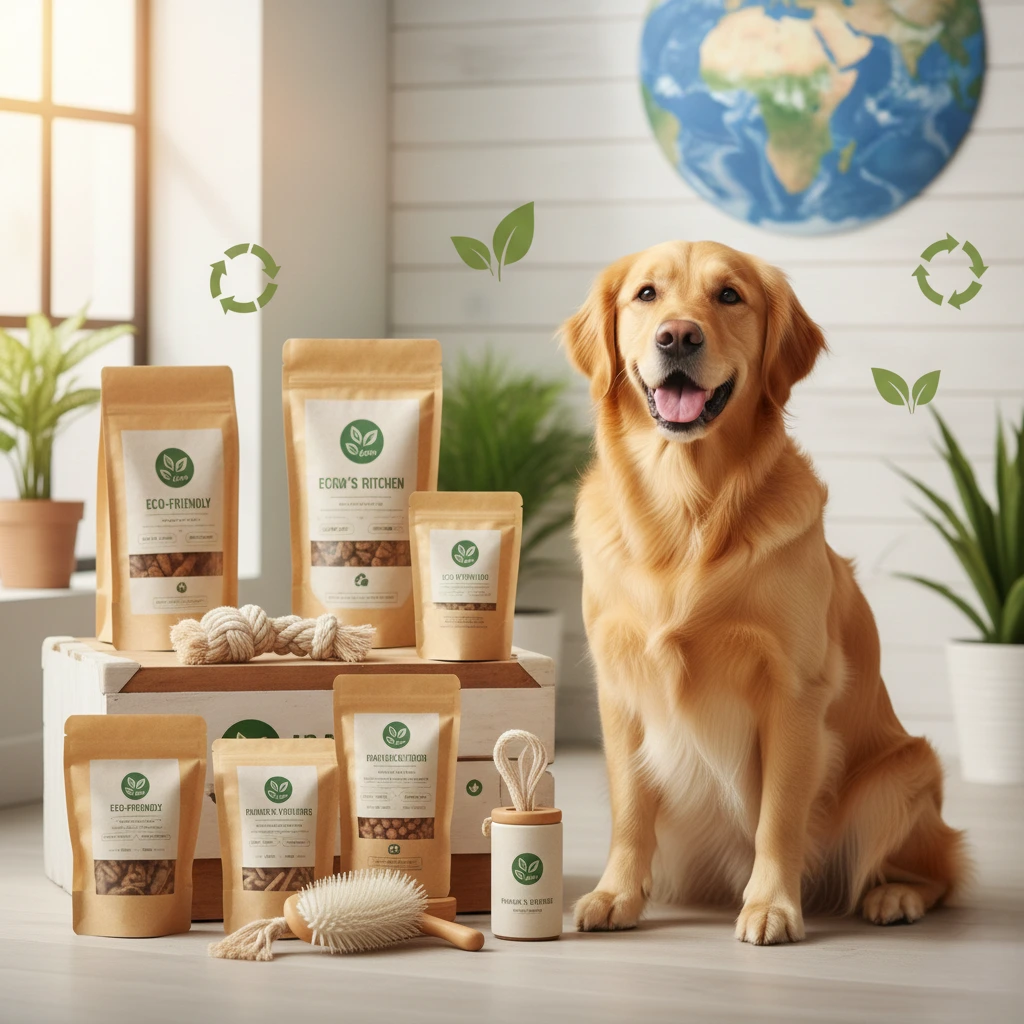
As more pet parents become environmentally conscious, sustainable packaging in pet care products is gaining attention. From pet food and treats to grooming products and accessories, brands are rethinking how they package their products to reduce environmental impact. Sustainable packaging not only appeals to eco-friendly customers but also reflects a brand’s commitment to responsible and ethical practices.
What Is Sustainable Packaging in Pet Care Products
Sustainable packaging refers to packaging that minimizes environmental impact throughout its lifecycle—from sourcing materials to disposal. In the pet care industry, this means using recyclable, biodegradable, or reusable materials instead of single-use plastics and harmful materials.
Key Features of Sustainable Pet Product Packaging
- Made from renewable resources like paper, cardboard, or plant-based plastics
- Designed to be recyclable or compostable
- Reduced use of unnecessary materials to limit waste
- Minimal environmental footprint during production and transport
Why Sustainable Packaging Matters for Pet Care Brands
1. Environmental Responsibility
The pet care industry produces a significant amount of packaging waste, especially for single-use pet food bags and treat wrappers. Sustainable packaging reduces landfill waste and lowers the carbon footprint associated with production and disposal.
2. Consumer Preference
Today’s pet parents are increasingly eco-conscious. Many prefer brands that prioritize sustainability, even if it comes at a slightly higher price. Using sustainable packaging can strengthen brand loyalty and trust.
3. Compliance and Future-Proofing
Governments worldwide are introducing stricter regulations on single-use plastics. By adopting eco-friendly packaging now, pet care brands stay compliant and ahead of regulatory changes.
Examples of Sustainable Packaging in Pet Care Products
Biodegradable Bags and Pouches
Pet food and snack brands are now offering compostable bags made from plant-based materials that break down naturally without harming the environment.
Recyclable Containers
Plastic tubs, jars, and bottles can be replaced with 100% recyclable PET or HDPE plastics, which can be reprocessed into new products.
Minimalist Packaging
Reducing layers of packaging, using smaller labels, and eliminating excess plastics can make a big difference. This approach is cost-effective and environmentally friendly.
Reusable and Refillable Packaging
Some premium pet brands are introducing refill stations or reusable containers, encouraging pet parents to reuse packaging instead of discarding it.
Benefits of Sustainable Packaging for Pet Brands
- Enhances brand image and positions the brand as eco-conscious
- Builds trust among environmentally aware pet parents
- Reduces waste management costs in the long term
- Contributes to a healthier planet for pets and humans alike
Challenges in Adopting Sustainable Packaging
- Slightly higher material and production costs
- Need for consumer education on proper disposal or recycling
- Sourcing high-quality sustainable materials consistently
Despite these challenges, the long-term benefits for both the planet and brand loyalty make sustainable packaging a worthwhile investment.
How Pet Brands Can Promote Their Sustainable Packaging
- Highlight eco-friendly materials on the product label and website
- Share behind-the-scenes content about sustainable sourcing and production
- Encourage customers to reuse or recycle packaging
- Include sustainability messaging in social media campaigns and newsletters
Final Thoughts
Sustainable packaging in pet care products is more than a trend—it’s a responsibility. Pet brands that embrace eco-friendly packaging not only reduce environmental impact but also connect with a growing audience of conscious pet parents. By investing in recyclable, biodegradable, or reusable packaging, pet brands can make a meaningful difference while building trust, loyalty, and a positive brand reputation.