

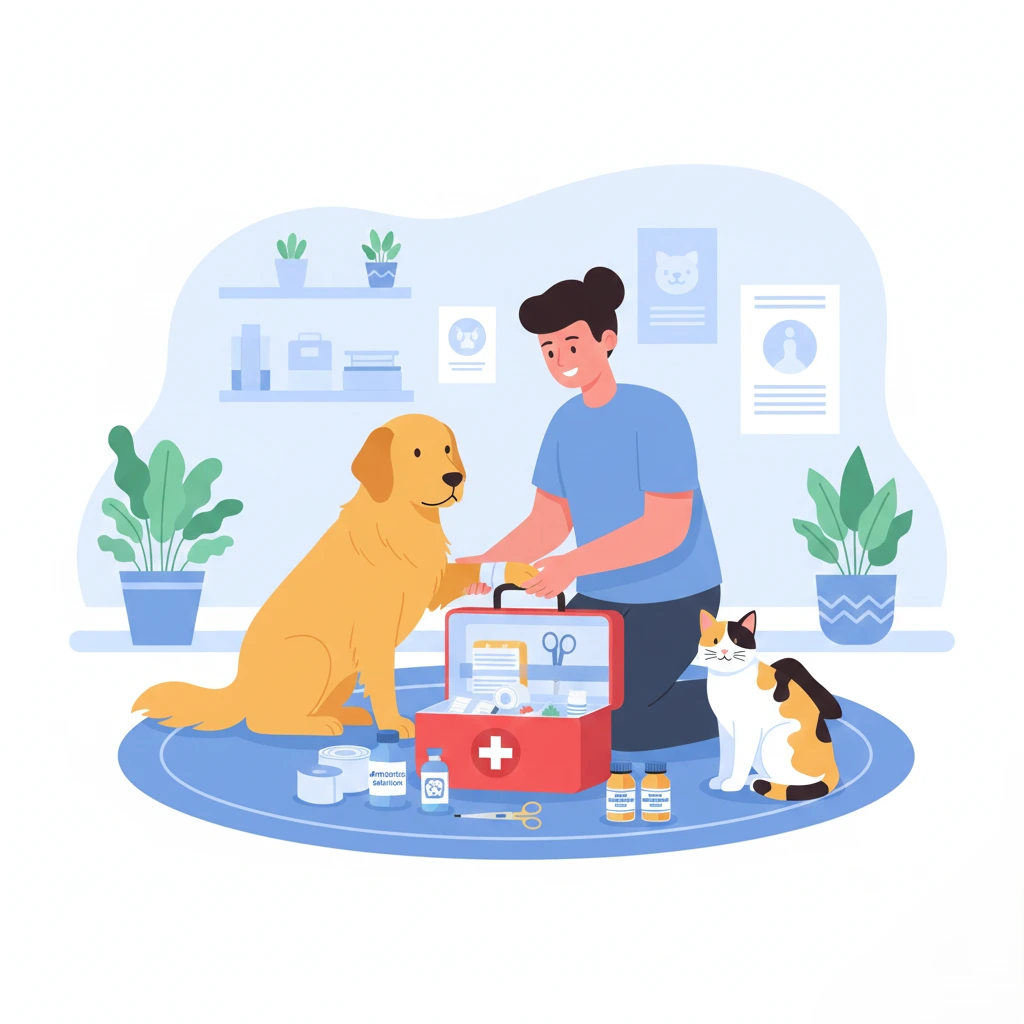
Pets are part of the family, and just like family members, they can face unexpected injuries or health emergencies. Knowing first aid essentials for pets can make a significant difference in preventing complications and ensuring your furry friend gets timely care. Whether you have a dog, cat, or small pet, being prepared with the right knowledge and supplies is key to keeping them safe.
Why Pet First Aid Is Important
Accidents can happen anytime—pets can get cuts, burns, or ingest something harmful. Having a first aid plan helps you act quickly and calmly, reducing stress for both you and your pet. Immediate care can prevent minor issues from becoming serious and may save your pet’s life in emergencies.
Essential First Aid Supplies for Pets
Creating a basic pet first aid kit is the first step in preparedness. Key items include:
- Bandages and Gauze: For wrapping minor cuts and wounds.
- Antiseptic Solution or Wipes: Pet-safe antiseptics prevent infections.
- Tweezers and Scissors: Useful for removing splinters or trimming bandages.
- Digital Thermometer: Pets’ normal body temperature ranges from 101–102.5°F (38.3–39.2°C).
- Muzzle or Soft Cloth: Helps prevent bites if your pet is in pain.
- Gloves: Protect yourself while handling injuries.
- Instant Cold Pack: Reduces swelling and soothes minor injuries.
- Hydrogen Peroxide (3%): Can induce vomiting only under veterinary guidance.
Having these supplies ready ensures you can respond immediately to accidents or emergencies.
Common Pet Emergencies and First Aid Steps
1. Cuts and Wounds
- Clean the wound with antiseptic and rinse gently with water.
- Apply a sterile bandage and monitor for signs of infection.
- Seek veterinary care for deep cuts or persistent bleeding.
2. Burns
- Cool the affected area under running water for 5–10 minutes.
- Avoid applying creams unless recommended by a vet.
- Cover lightly and take your pet to the veterinarian.
3. Choking
- Check your pet’s mouth for visible obstructions.
- Perform the Heimlich maneuver for dogs or back blows for cats if necessary.
- Seek emergency care immediately.
4. Poisoning or Toxic Ingestion
- Identify the substance ingested and contact a veterinarian or pet poison helpline immediately.
- Do not induce vomiting unless instructed by a professional.
5. Heatstroke
- Move your pet to a cool area immediately.
- Offer small amounts of water and apply cool (not ice-cold) compresses.
- Contact a veterinarian as soon as possible.
6. Seizures
- Keep your pet safe from nearby hazards.
- Do not restrain them, but stay calm and observe their behavior.
- Note the duration of the seizure and seek veterinary attention.
Preparing for Emergencies
- Know Your Vet’s Contact Information: Keep phone numbers handy for 24/7 veterinary services and animal poison control.
- Pet First Aid Training: Consider attending a pet first aid course to learn practical techniques.
- Emergency Plan: Have a carrier, transport plan, and backup help in case of sudden emergencies.
Final Thoughts on Pet First Aid Essentials
Being prepared with first aid essentials for pets helps pet owners act confidently and protect their furry companions. While first aid can stabilize a pet, it is not a replacement for veterinary care. Regularly check your kit, refresh supplies, and stay informed about your pet’s health needs.
A little preparation today can make a big difference tomorrow—because every pet deserves timely care when accidents happen.