

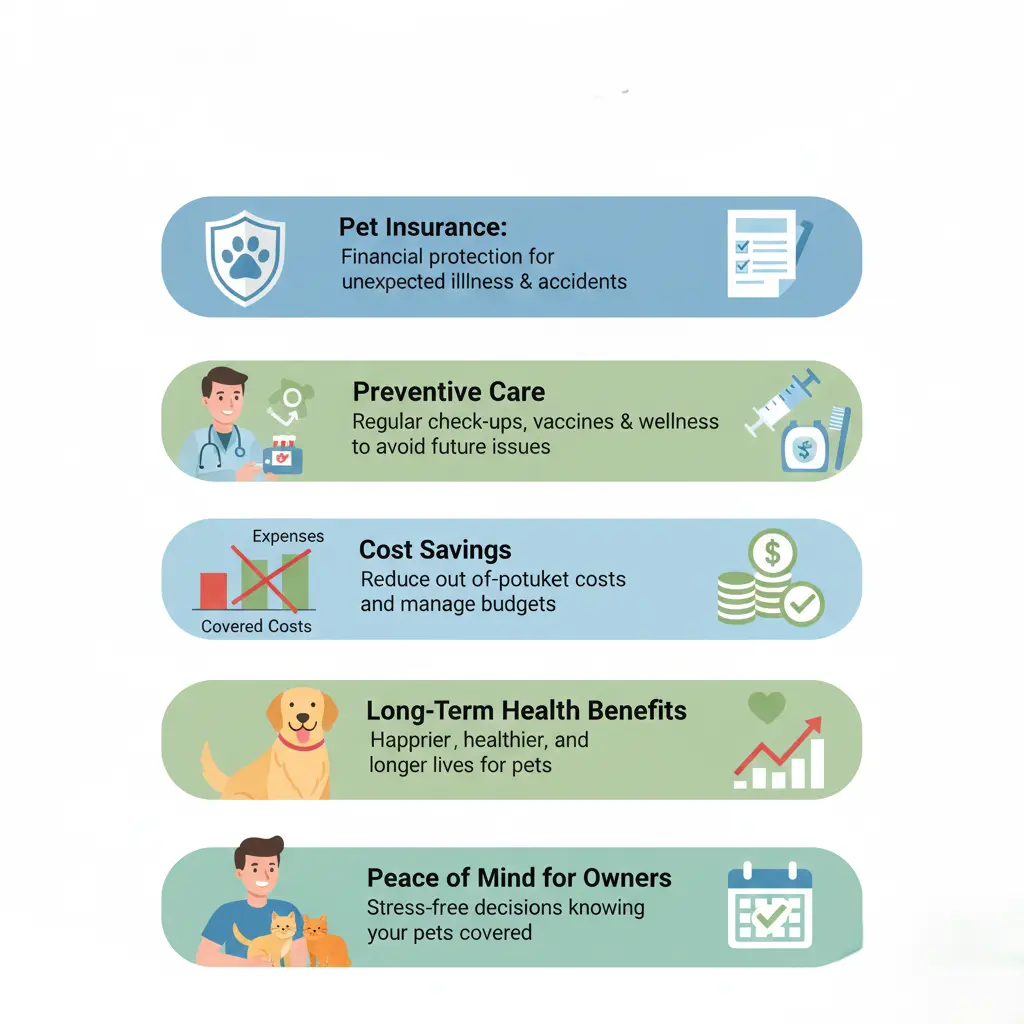
Pet ownership continues to rise, and with it, the costs of veterinary care are increasing. In 2026, investing in pet insurance and preventive care is more important than ever to ensure your furry friends stay healthy and protected. These strategies not only save money but also provide peace of mind, allowing pet owners to focus on enjoying life with their companions without unexpected financial stress.
What Is Pet Insurance and Preventive Care?
Pet insurance and preventive care combine two essential approaches to pet health. Pet insurance helps cover unexpected medical expenses like accidents, illnesses, and surgeries. Preventive care focuses on routine health maintenance, such as vaccinations, dental care, and wellness checkups. Together, they offer a comprehensive plan to protect your pet’s health and your wallet.
Why Pet Insurance Is Valuable in 2026
The cost of veterinary care has been steadily increasing. A simple procedure like a dental cleaning or minor surgery can cost hundreds or even thousands of dollars. Pet insurance provides financial protection by covering a significant portion of these expenses. In 2026, with new treatments and advanced veterinary technologies emerging, insurance ensures that you can afford the best care for your pet without hesitation.
Benefits of Pet Insurance
Covers unexpected accidents and illnesses
Reduces financial stress during emergencies
Allows access to advanced treatments
Supports long-term health and wellbeing
By investing in pet insurance, you are securing a safety net that protects both your pet and your finances.
The Role of Preventive Care
Preventive care is about stopping health problems before they become serious. Regular wellness visits, vaccinations, parasite control, and dental care can prevent expensive treatments later. In 2026, veterinarians are emphasizing preventive strategies more than ever, as research shows that proactive care leads to longer, healthier lives for pets.
Examples of Preventive Care
Annual or bi-annual wellness exams
Vaccinations to prevent common diseases
Routine dental cleanings
Nutrition and exercise guidance
Flea, tick, and heartworm prevention
Investing in preventive care is often more affordable than treating severe illnesses and ensures pets enjoy a high quality of life.
How Pet Insurance and Preventive Care Work Together
When combined, pet insurance and preventive care create a comprehensive health strategy. Insurance covers unexpected emergencies, while preventive care reduces the likelihood of those emergencies occurring. This dual approach allows pet owners to manage costs, improve outcomes, and maintain consistent care without sacrificing quality.
Cost Savings and Peace of Mind
While some pet owners may hesitate due to premiums or routine care costs, the long-term savings and security are undeniable. For example, a single emergency surgery without insurance can exceed a year’s worth of preventive care expenses. By investing in pet insurance and preventive care, you mitigate financial risk and ensure your pet receives the best possible care.
Emerging Trends in 2026
In 2026, the pet care industry is evolving with technology and data-driven health solutions. Telemedicine consultations, wearable health monitors, and personalized wellness plans make preventive care easier and more effective. Insurance providers are also offering customizable plans that cover preventive services, reflecting the growing recognition of proactive pet health management.
Conclusion
Pet insurance and preventive care are no longer optional in 2026—they are essential components of responsible pet ownership. They protect pets from unexpected health issues, reduce financial stress, and promote long-term wellbeing. By combining insurance with regular preventive care, pet owners can enjoy peace of mind, knowing their furry friends are safe, healthy, and well-cared for. Investing in your pet’s health today ensures happier, longer lives together tomorrow.