
Training your pet can be a fun and rewarding experience. Teaching your dog or cat new tricks not only strengthens your bond but also stimulates their mind and encourages good behavior. Whether you want your furry friend to sit, shake paws, or do more advanced tricks, understanding the right approach is key. Here’s a guide on how to teach your dog or cat new tricks effectively and safely.
Start with Simple Commands
Pets learn best when you start with basic commands before moving on to more complex tricks.
Dog Training Basics
Start with commands like “sit,” “stay,” “come,” and “down.” Use a calm and consistent voice. Dogs respond well to repetition and praise. Keep training sessions short—about 5 to 10 minutes—to maintain your dog’s focus.
Cat Training Basics
Cats can learn too, but they require a slightly different approach. Begin with commands like “sit” or “high five.” Use treats and gentle encouragement. Cats respond better to positive reinforcement and short sessions of 3 to 5 minutes.
Use Positive Reinforcement
Positive reinforcement is the most effective method for teaching pets new tricks. Reward good behavior immediately so your pet understands what you want.
Treats and Rewards
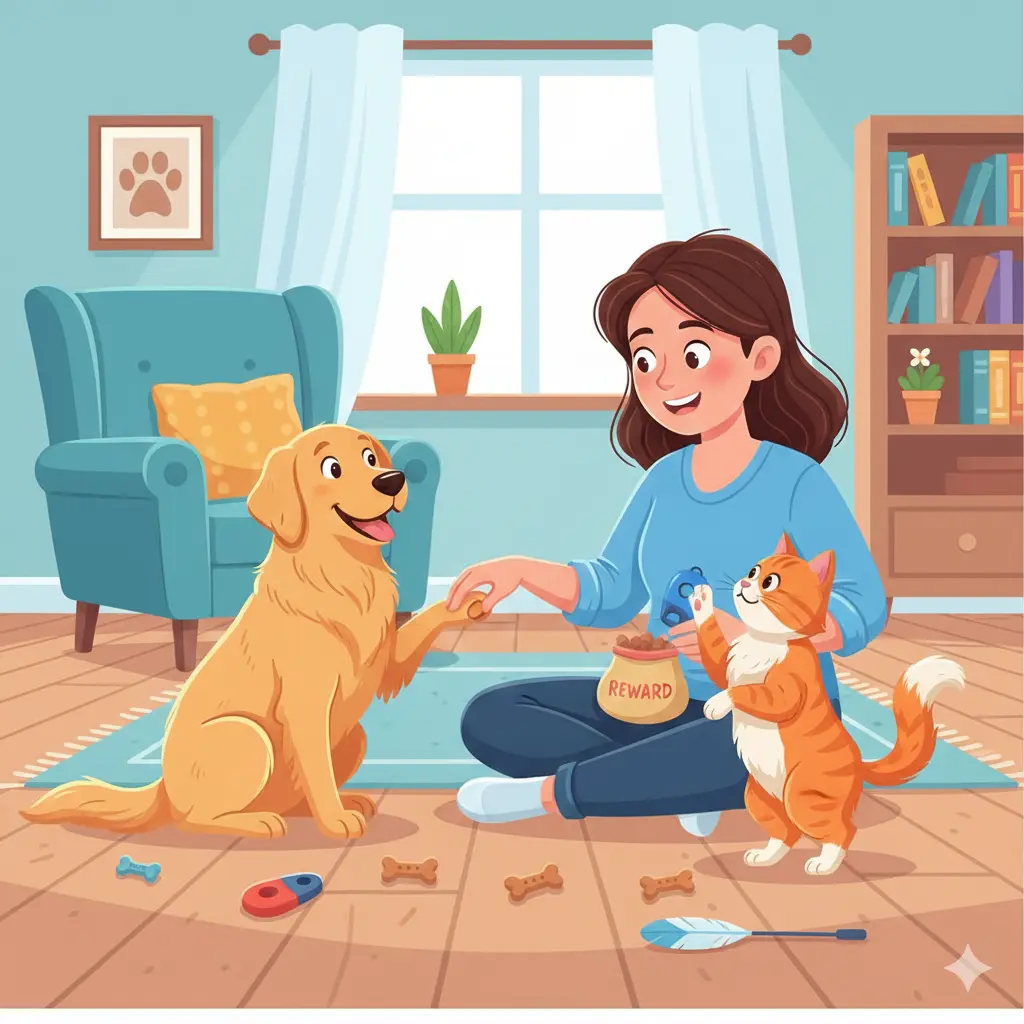
Use small, tasty treats as motivation. For dogs, popular options include small pieces of chicken, cheese, or store-bought dog treats. For cats, use catnip treats or small bits of their favorite food.
Praise and Petting
Verbal praise and gentle petting help reinforce good behavior. Words like “good job” or “well done” paired with a treat create a strong association between the action and reward.
Be Consistent
Consistency is critical in pet training. Use the same commands and gestures every time. Inconsistency can confuse your pet and slow the learning process.
Set a Routine
Practice tricks at the same time each day. Short, frequent training sessions work better than long, irregular ones. Consistent practice helps your dog or cat remember commands faster.
Patience is Key
Pets learn at their own pace. Some may pick up tricks quickly, while others need more repetition. Avoid punishment or negative reinforcement, as it can cause fear or anxiety.
Break Tricks into Small Steps
Complex tricks should be broken down into smaller, manageable steps.
Shaping Behavior
For example, teaching your dog to roll over can start with having them lie down, then gently guiding them to roll onto one side, rewarding each small step along the way.
Clicker Training
A clicker can help mark the exact moment your pet performs the desired behavior. The click sound followed by a treat helps your pet understand what action is being rewarded.
Make Training Fun
Training should be enjoyable for both you and your pet. Use toys, games, and playful encouragement to keep your pet engaged. If your pet becomes frustrated or loses interest, take a break and try again later.
Gradually Reduce Treats
Once your pet consistently performs a trick, gradually reduce treats while continuing praise. This ensures they perform the behavior reliably without always expecting a reward.
Conclusion
Teaching your dog or cat new tricks is all about patience, consistency, and positive reinforcement. Start with simple commands, use treats and praise, and gradually increase the difficulty of the tricks. By making training fun and rewarding, you strengthen your bond with your pet and provide mental stimulation that keeps them happy and well-behaved. Regular practice and a positive attitude will turn your furry friend into a clever and obedient companion.