

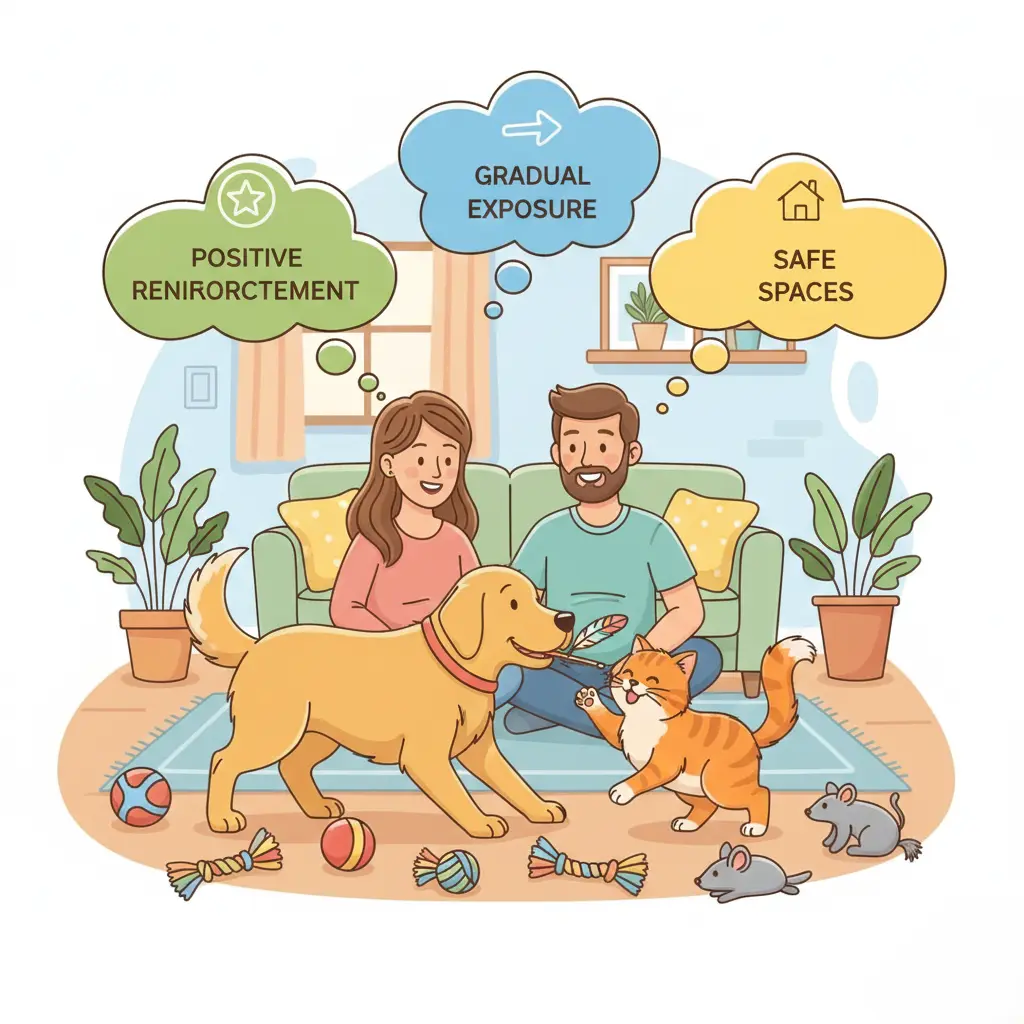
Socialization is a key part of raising happy, well-behaved pets. Proper pet socialization helps dogs and cats build confidence, reduce anxiety, and interact safely with people and other animals. In this guide, we’ll cover essential tips for socializing your dog or cat and ensuring a positive environment for your furry companions.
Why Socialization is Important for Pets
Early and ongoing pet socialization prevents behavioral problems such as fear, aggression, and excessive shyness. Pets exposed to diverse experiences, people, and other animals are more adaptable, confident, and enjoyable companions.
Primary Keywords: Pet Socialization, Socializing Your Dog, Socializing Your Cat
Tips for Socializing Dogs
1. Start Early
Puppies are most receptive to socialization between 3 and 14 weeks of age. Introduce them gradually to new people, pets, and environments. Positive experiences during this critical period can shape their behavior for life.
2. Use Positive Reinforcement
Reward your dog with treats, praise, or play when they respond well to new situations. Positive reinforcement helps them associate unfamiliar experiences with enjoyable outcomes.
3. Introduce Controlled Social Interactions
Arrange playdates with friendly dogs, attend puppy classes, or visit dog-friendly parks. Controlled interactions allow your dog to learn social cues and build confidence safely.
4. Gradually Expose to New Environments
Expose your dog to different sights, sounds, and surfaces slowly. Walking on various terrains, visiting pet-friendly stores, and introducing mild noise stimuli can prevent anxiety in new situations.
Tips for Socializing Cats
1. Start with a Safe Space
Cats are naturally cautious. Provide a safe area in your home where they can retreat while exploring new experiences. Gradual exposure helps build confidence without causing stress.
2. Introduce New People Slowly
Allow your cat to observe new people from a distance before direct interaction. Encourage calm interactions using treats or toys to create positive associations.
3. Encourage Gentle Play and Exploration
Interactive play with toys and exploration of new environments supports social and physical development. Playtime also helps cats feel secure in unfamiliar settings.
4. Respect Their Personality
Cats vary in sociability. Some may be outgoing, while others need more time to adjust. Respecting their pace prevents fear and anxiety, ensuring socialization is a positive experience.
General Socialization Tips for Both Dogs and Cats
- Be patient and consistent with exposure to new situations
- Avoid forcing interactions that cause fear or aggression
- Monitor body language for signs of stress or discomfort
- Use treats, toys, and praise to reinforce positive experiences
Conclusion
Socializing your pet is essential for their emotional well-being and long-term behavior. Whether it’s a dog learning to play nicely with other pets or a cat adjusting to new people and environments, early and consistent pet socialization helps build confidence, reduce anxiety, and create happier, well-adjusted pets. With patience, positive reinforcement, and gradual exposure, your furry companions can thrive socially in a variety of situations.