

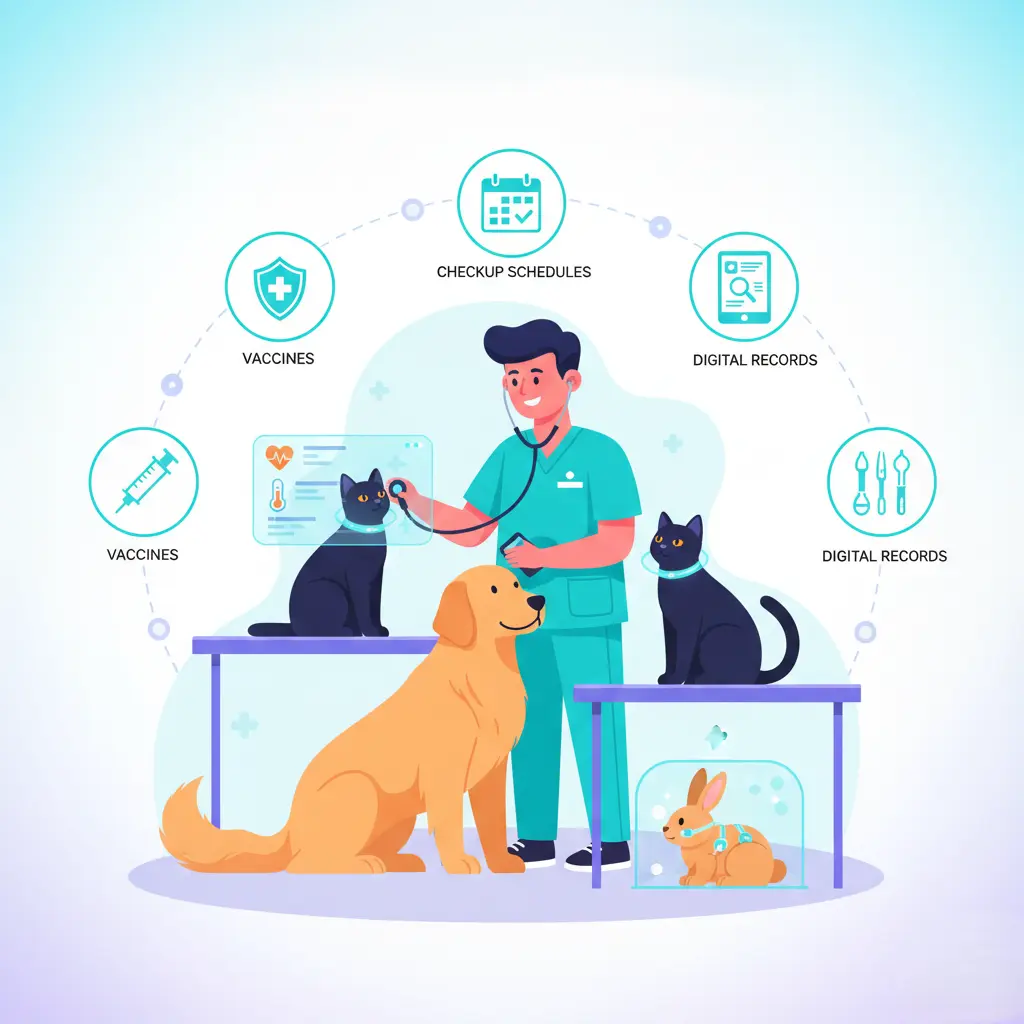
Pets are beloved members of the family, and keeping them healthy is more important than ever in 2026. With advancements in veterinary care and growing awareness about pet wellness, regular health checkups for dogs, cats, and other pets have become essential. Routine checkups help detect illnesses early, prevent chronic diseases, and ensure your pet lives a long, happy life. In this guide, we explore the top health checkups every pet needs in 2026 and why they are crucial for your furry friends.
Why Regular Pet Health Checkups Are Important
Regular pet health checkups are critical to maintaining your pet’s overall wellbeing. Pets cannot communicate symptoms as humans do, so early detection through checkups can prevent minor issues from becoming serious problems. In 2026, veterinary care has become more advanced, allowing for comprehensive health monitoring, early disease detection, and preventive care.
Benefits of Routine Pet Checkups
Routine checkups offer multiple benefits, including:
- Early detection of diseases like diabetes, kidney issues, and heart problems
- Vaccination updates to prevent infectious diseases
- Dental health monitoring to prevent oral problems
- Nutritional and weight management guidance
- Behavioral assessments to address anxiety or stress
Annual Veterinary Exams
The cornerstone of pet health is the annual veterinary exam. This comprehensive checkup allows veterinarians to evaluate your pet’s overall health and detect potential issues before they escalate.
What an Annual Exam Includes
During an annual exam, your vet will typically:
- Check vital signs such as heart rate, respiration, and temperature
- Examine eyes, ears, skin, and coat for abnormalities
- Assess joints and mobility
- Review diet, behavior, and exercise habits
- Recommend vaccines, supplements, or diagnostic tests
Annual exams provide a baseline for your pet’s health, making it easier to identify changes or emerging health problems over time.
Vaccinations and Preventive Care
Vaccinations remain a top priority for pets in 2026. They protect pets from contagious and potentially deadly diseases. Depending on your pet’s age, lifestyle, and local regulations, your veterinarian will recommend core and non-core vaccines.
Core Vaccines for Dogs and Cats
- Dogs: Rabies, Distemper, Parvovirus, Adenovirus
- Cats: Rabies, Feline Viral Rhinotracheitis, Calicivirus, Panleukopenia
Non-core vaccines may include protection against Lyme disease, Bordetella, or feline leukemia, depending on your pet’s environment and risk factors.
Parasite Prevention
Regular checkups also include preventive care for parasites like fleas, ticks, and worms. Parasite prevention is crucial for protecting your pet’s health and reducing the risk of zoonotic diseases in your household.
Dental Health Checkups
Dental health is often overlooked but is vital for your pet’s overall wellness. In 2026, routine dental checkups are highly recommended to prevent periodontal disease, tooth loss, and systemic infections.
Signs Your Pet Needs a Dental Checkup
- Bad breath
- Red, swollen, or bleeding gums
- Difficulty eating or chewing
- Loose or broken teeth
Veterinarians may recommend professional cleaning, scaling, or at-home dental care, such as brushing and dental chews, to maintain optimal oral health.
Blood Work and Diagnostic Tests
Advanced diagnostic tests have become increasingly important for early detection of chronic conditions. Routine blood work and urine tests can identify kidney disease, liver problems, diabetes, and hormonal imbalances before they show visible symptoms.
How Often to Test
- Healthy adult pets: Annual blood and urine tests
- Senior pets (7+ years): Twice yearly for early disease detection
- Pets with chronic conditions: As recommended by your vet
Early detection through diagnostics can significantly improve treatment outcomes and extend your pet’s lifespan.
Specialized Health Checkups
Some pets may require specialized checkups depending on breed, age, or lifestyle. These include:
Eye and Ear Exams
Breeds prone to eye conditions or chronic ear infections should have regular ophthalmologic and ear assessments. Early detection of cataracts, glaucoma, or infections can prevent long-term damage.
Heart and Respiratory Screening
Pets with breed-specific risks, obesity, or age-related concerns should undergo cardiac and respiratory evaluations. Heart murmurs, arrhythmias, or breathing difficulties can be detected through echocardiograms or X-rays.
Orthopedic and Mobility Checkups
Large breeds, senior pets, or active working dogs benefit from orthopedic checkups. Early detection of hip dysplasia, arthritis, or ligament injuries improves mobility and quality of life.
Nutrition and Weight Management
Regular checkups provide an opportunity to review your pet’s diet and weight. Obesity is a growing concern in 2026, contributing to diabetes, joint problems, and reduced lifespan. Veterinarians can create personalized nutrition plans and recommend supplements or exercise routines to maintain ideal body condition.
Behavioral Assessments
Behavioral health is an integral part of overall wellness. Stress, anxiety, aggression, or excessive vocalization can indicate underlying medical issues. Routine checkups allow veterinarians to assess behavior, recommend training strategies, or refer to a veterinary behaviorist if needed.
Final Thoughts on Pet Health Checkups in 2026
In 2026, pet health checkups have become more comprehensive and technologically advanced. From annual exams and vaccinations to dental care, diagnostic tests, and behavioral assessments, regular checkups are essential for every pet. Preventive care not only ensures a long, healthy life for your furry friend but also strengthens the bond between you and your pet.
By staying proactive and scheduling routine health checkups, pet owners can prevent serious illnesses, manage chronic conditions, and provide the best quality of life for their animals. Remember, healthy pets are happy pets, and consistent veterinary care is the cornerstone of pet wellness in 2026.