

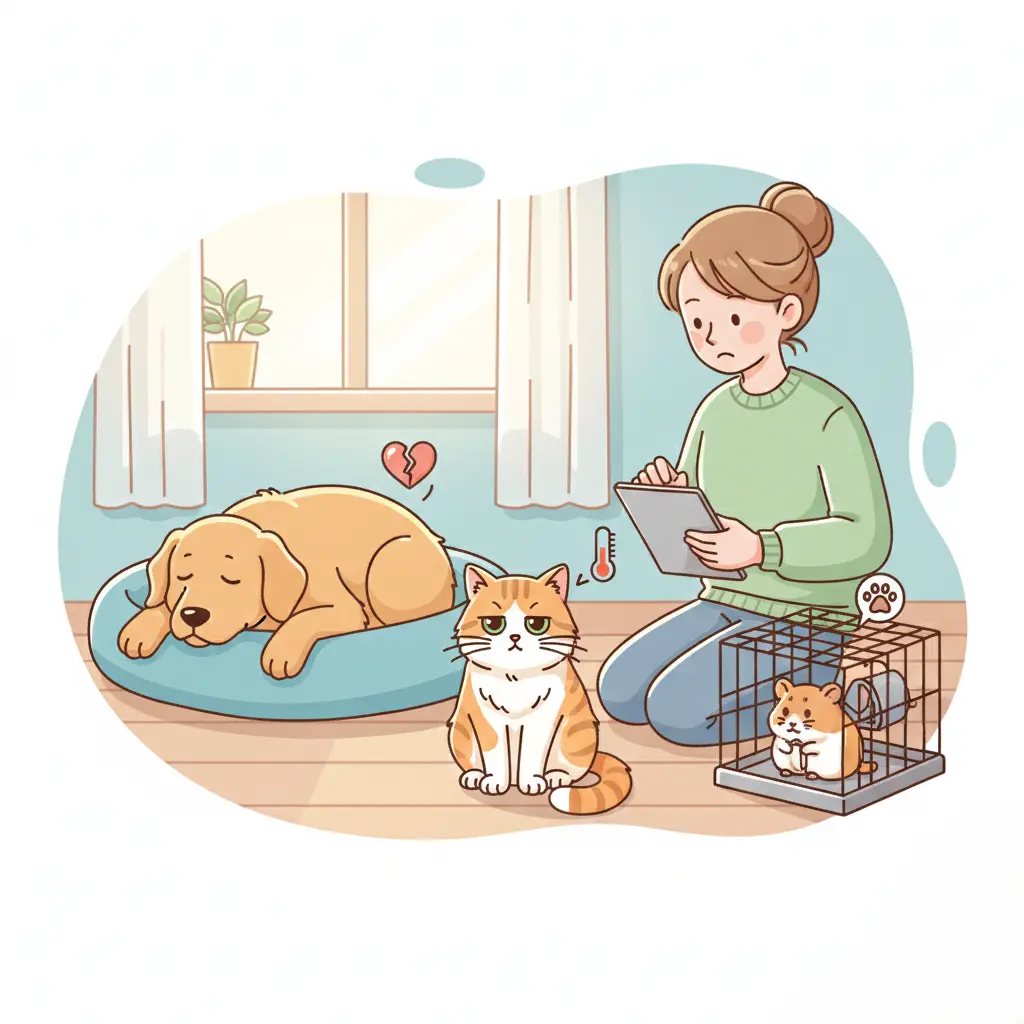
Pets are family members, and keeping them healthy is a top priority. Unlike humans, animals can’t tell us when they’re feeling unwell, so it’s important for pet owners to recognize signs of illness early. Catching health problems early can prevent complications and improve recovery times.
Common Behavioral Changes to Watch For
Pets often show illness through changes in behavior. Watch for:
- Lethargy or fatigue: If your pet is unusually tired or sleeps more than normal, it could indicate a health issue.
- Loss of appetite: Skipping meals or refusing favorite treats may signal digestive or systemic problems.
- Increased irritability or aggression: Pain or discomfort often leads to behavioral changes.
- Excessive hiding or withdrawal: Pets in distress may isolate themselves from family members.
Physical Signs of Illness
Pay close attention to your pet’s body. Common physical signs include:
- Vomiting or diarrhea: Frequent digestive issues can indicate infections or dietary problems.
- Coughing, sneezing, or difficulty breathing: Respiratory issues require prompt veterinary attention.
- Changes in weight: Sudden weight loss or gain may signal underlying disease.
- Skin or coat changes: Dull fur, bald patches, or persistent itching can indicate allergies, infections, or parasites.
- Swelling or lumps: Any unusual growth should be checked by a veterinarian.
Changes in Eating and Drinking Habits
A pet’s eating and drinking patterns can provide important health clues. Watch for:
- Increased thirst or urination: This could indicate kidney problems or diabetes.
- Loss of appetite or refusal to drink: May suggest dental issues, gastrointestinal problems, or infections.
- Chewing or licking unusual areas: Could be a sign of discomfort or underlying illness.
Monitoring Mobility and Activity
Pets with joint, bone, or muscle issues often show changes in movement. Signs include:
- Difficulty walking or climbing stairs
- Limping or favoring a limb
- Stiffness after rest
These signs are common in older pets or those with arthritis, but sudden onset may indicate injury or illness.
When to Contact a Veterinarian
If you notice any of these signs, it’s important to contact your vet promptly. Early intervention can prevent minor issues from becoming serious problems. Keep track of symptoms, duration, and severity to help your veterinarian make an accurate diagnosis.
Tips for Preventing Illness
- Regular veterinary check-ups: Annual or bi-annual visits help detect problems early.
- Balanced diet and hydration: Proper nutrition supports overall health.
- Exercise and mental stimulation: Keeps pets physically and mentally fit.
- Hygiene and grooming: Reduces the risk of infections and parasites.
Recognizing signs of illness in your pet is essential for keeping them healthy and happy. By monitoring behavior, physical changes, and daily habits, pet owners can act quickly and ensure their furry friends receive the care they need.