

Introduction: Understanding the Problem
Pets bring joy and companionship, but when they exhibit unwanted behaviors, it can quickly become stressful. Chewing furniture, scratching carpets, or excessive digging are common issues that frustrate pet owners. How to Stop Destructive Pet Behavior is essential for maintaining a harmonious home while ensuring your pet stays happy and healthy. Understanding the causes and using effective strategies can prevent damage and strengthen the bond between you and your pet.
Why Pets Show Destructive Behavior
Destructive behavior often stems from boredom, anxiety, or lack of proper training. Pets need mental stimulation, physical activity, and consistent guidance. Ignoring these needs can escalate minor issues into serious problems. Learning How to Stop Destructive Pet Behavior starts with identifying the root cause, whether it is separation anxiety, teething, or insufficient exercise.
Common Causes Include:
- Lack of exercise and playtime
- Anxiety or stress when left alone
- Curiosity or natural instincts (chewing, digging, scratching)
- Inconsistent training
Effective Training Techniques
Provide Mental and Physical Stimulation
Pets that are well-exercised and mentally engaged are less likely to develop destructive habits. Puzzle toys, interactive games, and daily walks are excellent ways to redirect energy. Using these tools is a key part of How to Stop Destructive Pet Behavior successfully.
Positive Reinforcement
Reward good behavior with treats, praise, or playtime. Avoid punishing your pet for mistakes, as this can increase anxiety and worsen destructive tendencies. Consistent rewards help reinforce the behaviors you want, making How to Stop Destructive Pet Behavior a smoother process.
Create a Safe Environment
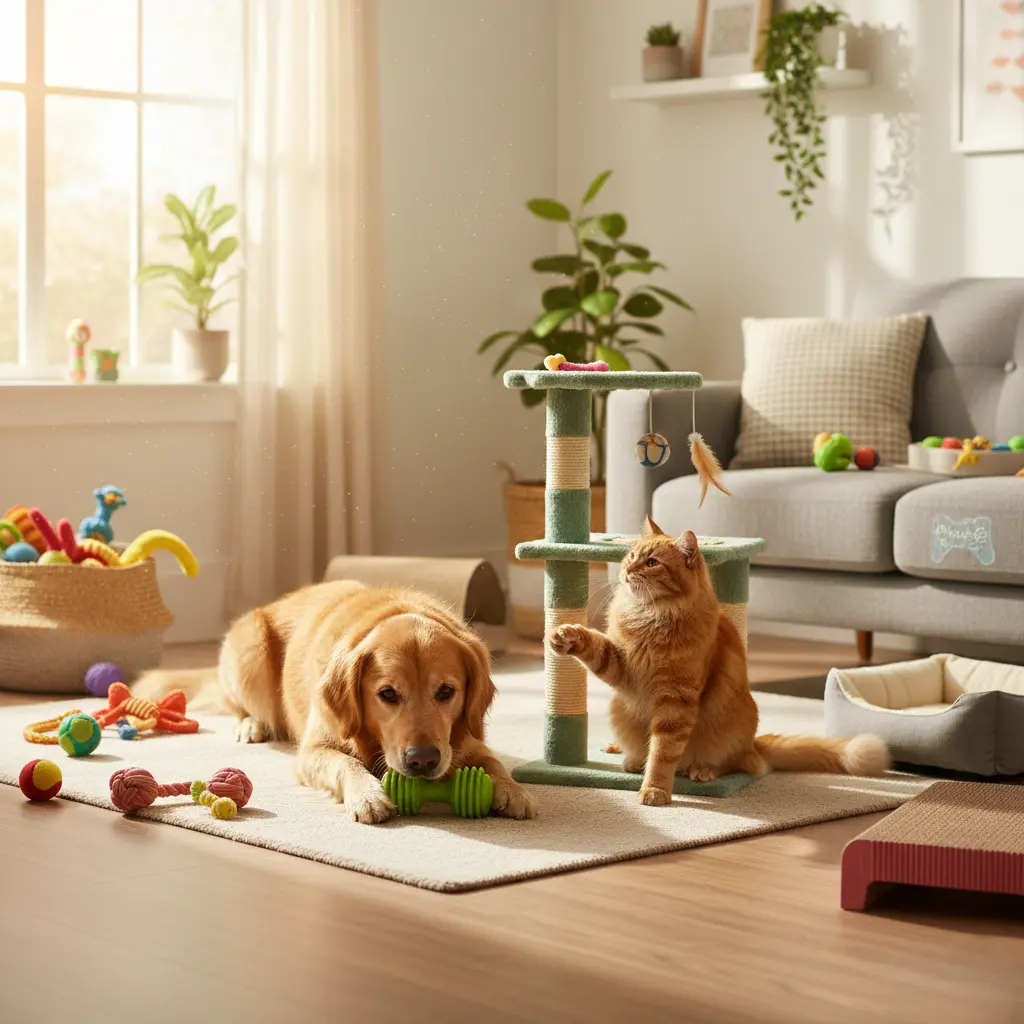
Limit access to items your pet may destroy, such as shoes, cords, or fragile furniture. Providing chew toys, scratching posts, or designated digging areas satisfies natural instincts without causing damage. Environmental management is another effective approach to How to Stop Destructive Pet Behavior.
Addressing Anxiety and Stress
Separation anxiety is a major contributor to destructive behavior. Gradually training your pet to feel comfortable alone, using soothing music, or providing calming pheromones can help. Understanding your pet’s emotional needs is critical when learning How to Stop Destructive Pet Behavior.
Consistency Is Key
Consistent rules, routines, and training methods make it easier for pets to understand what is acceptable. Inconsistency can confuse them and prolong destructive habits. Applying consistency in daily care reinforces How to Stop Destructive Pet Behavior effectively.
Professional Help and Resources
In some cases, consulting a veterinarian or certified animal behaviorist is necessary. They can assess underlying health or behavioral issues and provide specialized guidance. Professional support ensures your approach to How to Stop Destructive Pet Behavior is both safe and effective.
Conclusion: Building a Happier Home
Learning How to Stop Destructive Pet Behavior takes patience, understanding, and strategic planning. By addressing the root causes, providing proper stimulation, and using positive reinforcement, you can prevent damage while nurturing a well-adjusted, happy pet. A structured approach ensures your home stays safe and your pet thrives, strengthening the bond between you and your furry friend.