
Bringing a new dog into your life is exciting, but helping them adapt to the world around them is crucial. Dog socialization is one of the most important aspects of raising a confident and well-behaved pet. Proper socialization teaches dogs to interact positively with people, other animals, and new environments, reducing fear and aggression while improving overall behavior.
Why Dog Socialization Matters
Socializing your dog early sets the foundation for lifelong confidence. Puppies and adult dogs that lack social exposure may develop anxiety, fear, or aggression. Understanding dog socialization ensures your pet feels safe, comfortable, and happy in different situations. It also makes training easier, as dogs that are well-socialized respond better to dog commands and guidance.
Benefits of Socialization
- Reduces fear and aggression in new situations
- Encourages positive interactions with other dogs and people
- Improves obedience and responsiveness
- Helps prevent behavioral issues later in life
Proper dog socialization is essential not just for puppies but for dogs of all ages, though starting early gives the best results.
How to Socialize Your Dog Effectively
Socializing a dog involves exposing them to different environments, people, animals, and experiences in a positive way. Here are key steps to make socialization effective and safe.
Start Early
Puppies have a critical socialization window between 3 and 14 weeks. During this period, their brains are highly receptive to new experiences. Introducing them to a variety of sights, sounds, and people during this time helps develop strong puppy social skills. Even after this window, gradual exposure for adult dogs can still improve confidence.
Positive Reinforcement
Reward-based training is essential during socialization. Treats, praise, and affection reinforce calm and friendly behavior when encountering new experiences. Using rewards in combination with dog commands like “sit” or “stay” helps dogs understand expected behavior while socializing.
Gradual Exposure
Introduce your dog to new situations slowly. Begin with quiet environments before moving to busy streets, dog parks, or crowded areas. Observing their comfort level and gradually increasing challenges ensures safe and effective dog socialization. Overwhelming a dog too soon can create negative associations with new experiences.
Introduce Other Dogs and People
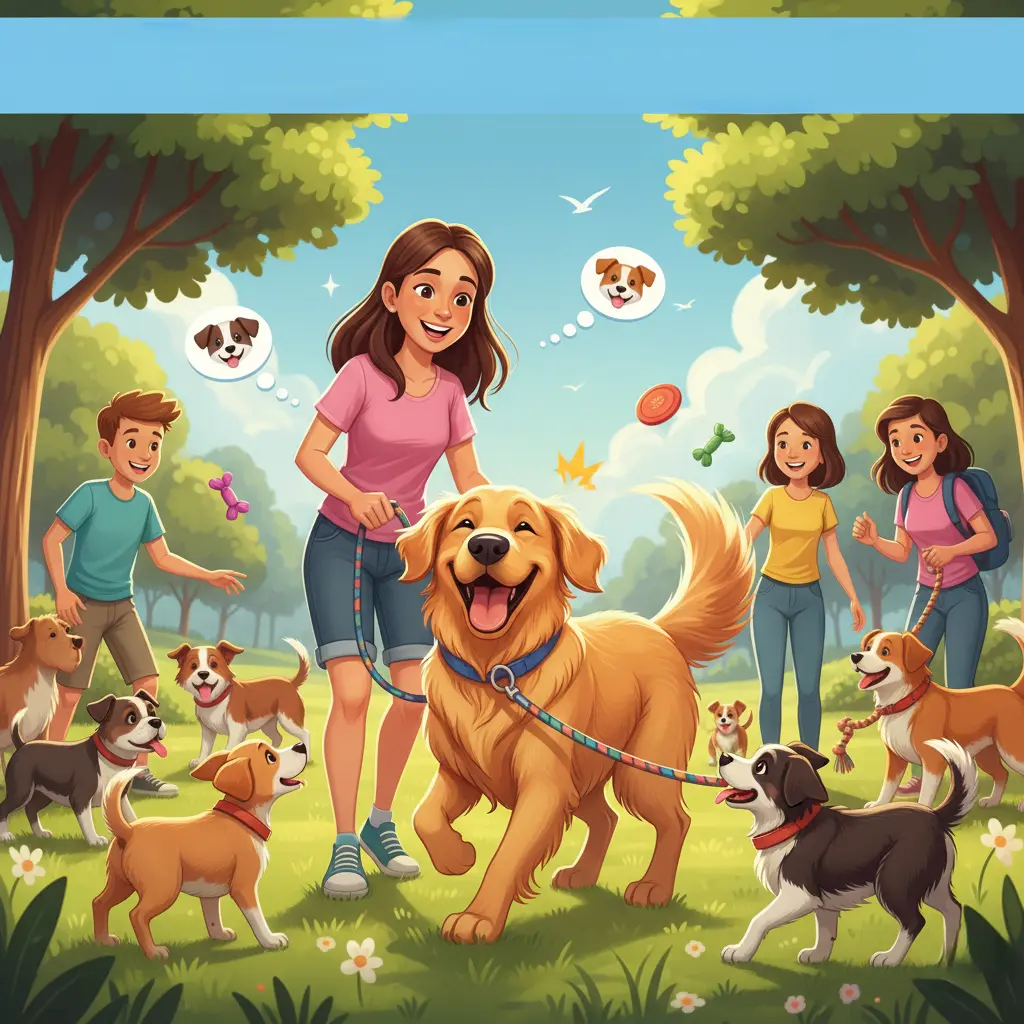
Meeting other friendly dogs and different types of people helps develop social skills and reduces fear. Arrange playdates with well-behaved dogs and invite friends over. Teaching proper greetings using dog commands reinforces structure and safety. Positive experiences with others are essential for dog socialization success.
Tips for Reinforcing Puppy Social Skills
Use Structured Play
Playtime is a natural way for dogs to learn boundaries and communication. Encourage gentle play and correct inappropriate behavior calmly. Structured play strengthens puppy social skills and reinforces good dog behavior tips.
Practice Everyday Situations
Take your dog on walks in different environments, visit pet-friendly stores, and introduce them to various household sounds. Exposure to daily routines and environments is an essential part of dog socialization, helping dogs stay calm in unpredictable situations.
Monitor Body Language
Understanding your dog’s signals ensures socialization is safe and positive. Signs of stress, such as tucked tails or flattened ears, indicate a need to slow down. Using dog behavior tips to read your dog’s mood helps prevent negative experiences and builds trust during dog socialization.
Common Mistakes to Avoid
- Rushing exposure to new experiences
- Forcing interactions with fearful dogs or people
- Using punishment instead of rewards during training
- Ignoring signs of stress or anxiety
Avoiding these mistakes ensures dog socialization remains effective, positive, and enjoyable.
Continuing Socialization for Adult Dogs
Socialization is not limited to puppies. Adult dogs can benefit from new experiences, playgroups, and ongoing training. Reinforcing dog commands in social situations keeps your dog safe and responsive, while continued exposure improves confidence and reduces anxiety.
Conclusion
Successful dog socialization lays the foundation for a happy, confident, and well-behaved dog. By starting early, using positive reinforcement, gradually introducing new experiences, and teaching dog commands, you can help your dog develop essential puppy social skills. Observing their body language and following dog behavior tips ensures socialization is safe and enjoyable. Whether for puppies or adult dogs, consistent practice in dog socialization improves behavior, strengthens bonds, and creates a well-adjusted canine companion ready for any situation.