

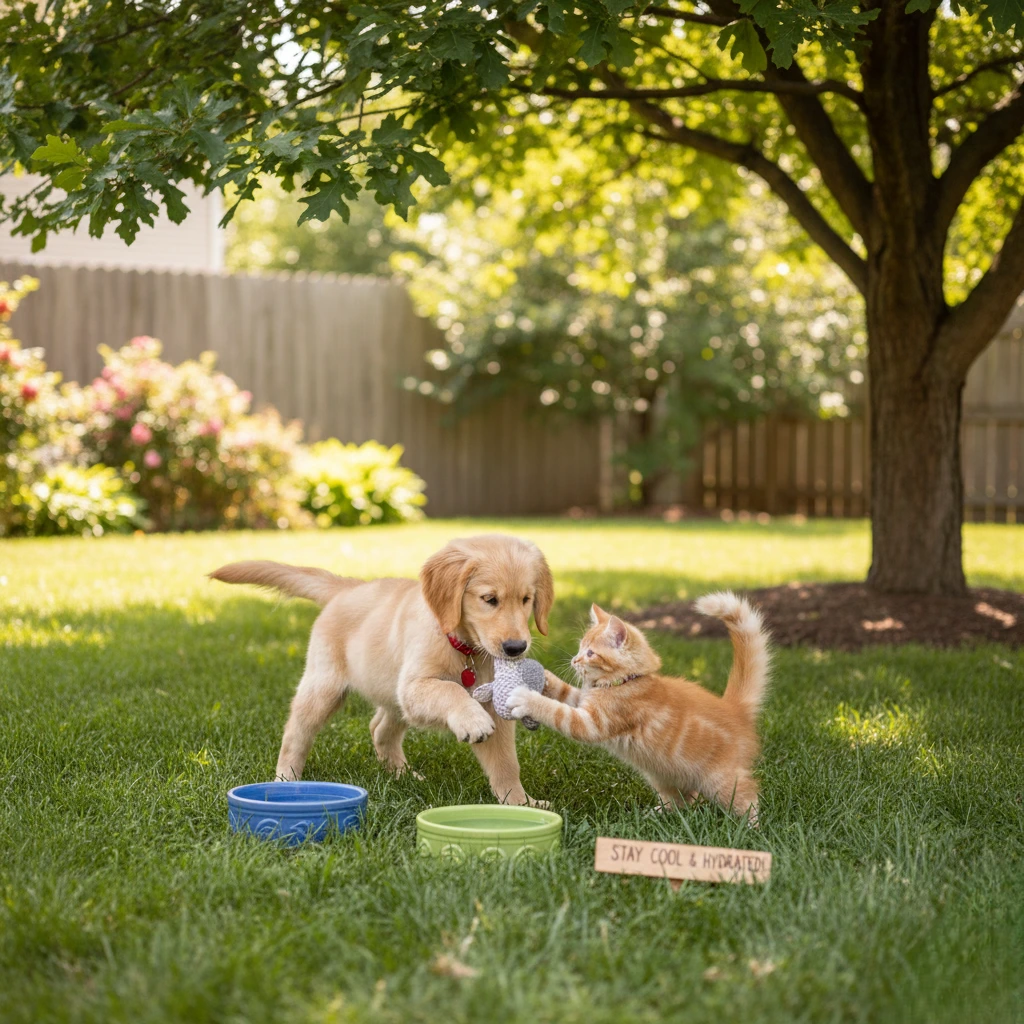
Keeping your furry companion safe throughout the year requires awareness of changing weather conditions and seasonal hazards. Following practical pet safety tips can help prevent injuries, illnesses, and unexpected emergencies. Each season brings unique risks, from extreme heat in summer to icy sidewalks in winter. By staying prepared and proactive, you can ensure your pet remains healthy and comfortable no matter the time of year.
Spring Safety Considerations
Spring is a refreshing season, but it also introduces new dangers for pets. Warmer weather means more outdoor activities, blooming plants, and increased exposure to parasites.
One of the most important pet safety tips in spring is to stay current on flea, tick, and heartworm prevention. Parasites become more active as temperatures rise, and prevention is far easier than treatment. Additionally, be cautious with fertilizers, pesticides, and garden chemicals, as many can be toxic if ingested.
Spring cleaning products also pose risks. Store household cleaners securely and avoid leaving buckets of water unattended, as curious pets may drink from them. Keeping your home organized and chemical-free where possible supports seasonal safety.
Summer Pet Safety Essentials
Summer can be especially dangerous due to high temperatures. Practicing proper summer pet safety is critical to prevent heat-related illnesses.
Never leave your pet in a parked car, even for a few minutes. Temperatures inside vehicles can rise rapidly and become fatal. Among the most vital pet safety tips is ensuring constant access to fresh water and shaded areas when outdoors.
Hot pavement can burn your pet’s paws. A simple test is placing your hand on the pavement for seven seconds. If it’s too hot for you, it’s too hot for your pet. Walk dogs during early morning or late evening hours when surfaces are cooler.
Heatstroke is another serious concern during summer pet safety planning. Signs include excessive panting, drooling, lethargy, vomiting, or collapse. If you notice these symptoms, move your pet to a cool area immediately and contact your veterinarian.
Applying smart pet safety tips during summer months keeps outdoor fun both enjoyable and safe.
Fall Precautions
As temperatures begin to drop, new seasonal risks emerge. Antifreeze becomes more common in garages and driveways, and even small amounts can be extremely toxic to pets. Always clean up spills immediately and store chemicals securely.
Outdoor decorations and seasonal plants may also pose hazards. Corn cobs, decorative gourds, and certain plants can cause digestive blockages if swallowed. One of the overlooked pet safety tips is supervising pets around seasonal décor to prevent accidental ingestion.
Shorter daylight hours may mean walking in low-light conditions. Reflective collars or leashes improve visibility and help protect pets during evening walks.
Winter Safety Measures
Cold weather presents its own set of challenges. Protecting your pet from freezing temperatures is just as important as guarding against heat.
Limit outdoor exposure during extreme cold, especially for short-haired or small breeds. Providing warm bedding away from drafts is one of the simplest yet most effective pet safety tips during winter.
Ice-melting salts can irritate paws and may be harmful if licked off. Wipe your pet’s paws after walks to remove salt, ice, and debris. In snowy areas, consider using pet-safe ice melt products.
Space heaters and fireplaces also require caution. Curious pets can accidentally knock over heaters or get too close to open flames. Keeping heating devices secure helps prevent burns and house fires.
Holiday and Year-Round Safety
Holidays throughout the year introduce additional risks, including loud fireworks, rich foods, and decorations. Fireworks can cause anxiety and panic, leading pets to run away. Creating a quiet, secure indoor space is one of the most reliable pet safety tips during celebrations.
Avoid feeding pets table scraps, especially foods like chocolate, onions, grapes, or fatty leftovers. These can cause digestive upset or serious toxicity. Consistency in diet supports overall health.
Identification tags and microchips are important year-round precautions. In case your pet becomes lost during storms or festivities, updated identification significantly increases the chance of a safe return.
Staying Proactive Every Season
Regular veterinary checkups play a key role in seasonal preparedness. Discuss lifestyle changes, travel plans, and local climate conditions with your veterinarian to adjust care routines accordingly.
Following practical pet safety tips across all seasons reduces the risk of emergencies and keeps your companion comfortable. By anticipating weather changes and environmental hazards, you can confidently navigate each season while protecting your pet’s well-being.
Seasonal awareness, proper planning, and consistent care are the foundation of responsible pet ownership. With thoughtful preparation and attention to detail, your pet can enjoy every season safely and happily.