
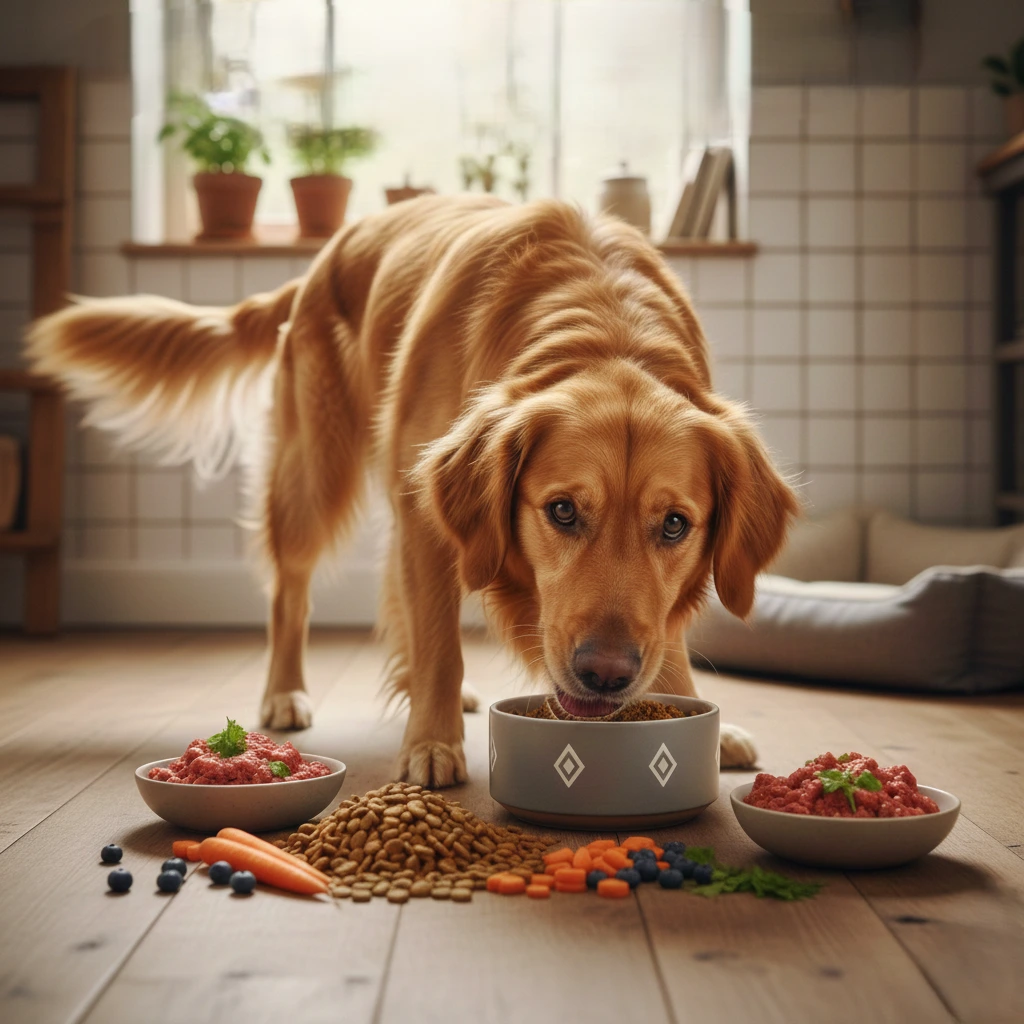
Choosing the Best Dog Food for your dog is one of the most important decisions you can make as a pet owner. With countless brands, formulas, and types of pet food available, it can be overwhelming to figure out what’s truly nutritious and suitable for your furry friend. The goal is to provide a diet that supports your dog’s overall health, energy, and longevity. Understanding the essentials of a healthy dog diet can help you make informed choices and avoid common mistakes.
Understanding Dog Nutrition
Dogs, like humans, require a balanced diet with proteins, fats, carbohydrates, vitamins, and minerals. Proteins support muscle development and repair, fats provide energy and maintain healthy skin and coat, and carbohydrates offer fuel for daily activity. Vitamins and minerals ensure proper organ function and immune support. A dog nutrition guide emphasizes that every dog has unique needs based on age, size, breed, activity level, and health conditions. Puppies, for example, need more protein and calories for growth, while senior dogs may require fewer calories and joint-supporting nutrients.
Factors to Consider When Choosing the Best Dog Food
1. Life Stage and Breed
One of the first things to consider is your dog’s life stage—puppy, adult, or senior. Puppy formulas are richer in essential nutrients for growth, whereas senior formulas often contain ingredients to support joint health and digestion. Breed size also matters. Small breeds may benefit from smaller kibble sizes, while large breeds need nutrients that promote bone and joint health. Picking the best dog food tailored to your dog’s stage and breed can prevent nutritional deficiencies and improve long-term health.
2. Ingredients Matter
Reading the ingredient list is crucial when selecting the best dog food. Look for high-quality protein sources, such as chicken, beef, or fish, listed as the first ingredient. Whole grains, vegetables, and fruits add fiber, vitamins, and antioxidants. Avoid foods with excessive fillers, artificial colors, preservatives, or by-products. A healthy dog diet is built on whole, natural ingredients that support digestion, energy levels, and overall well-being.
3. Wet vs. Dry Food
Both wet and dry dog foods have their benefits. Dry kibble is convenient, cost-effective, and helps maintain dental health, while wet food has higher moisture content and can be more appealing to picky eaters. Some owners choose a combination of both to balance hydration and nutrition. Choosing the best dog food often depends on your dog’s preferences, lifestyle, and any specific dietary needs recommended in a dog nutrition guide.
4. Special Dietary Needs
Some dogs have allergies, sensitivities, or medical conditions that require specialized diets. Grain-free, limited ingredient, or prescription formulas may be necessary. Always consult your veterinarian before switching to a specialized diet. Ensuring your dog receives the proper nutrients while managing health concerns is an important part of maintaining a healthy dog diet.
5. Brand Reputation and Quality Assurance
Not all pet food brands are created equal. Look for companies with transparent sourcing, high-quality manufacturing standards, and positive reviews from veterinarians and dog owners. Brands that adhere to strict quality control and provide nutritional information help ensure your dog is getting the best dog food possible.
6. Transitioning Gradually
When switching to a new dog food, introduce it gradually over 7-10 days. Mix increasing amounts of the new food with the old food to prevent digestive upset. A smooth transition helps your dog adjust and allows you to monitor tolerance and preference, ensuring you’ve chosen the best dog food for their needs.
Additional Tips for a Healthy Dog Diet
Providing a healthy dog diet also includes proper portion sizes, regular feeding schedules, and access to clean water. Avoid feeding table scraps, sugary treats, or human junk food. Incorporating treats designed for dental health or containing probiotics can further support digestion and oral hygiene. A well-rounded dog nutrition guide encourages regular vet check-ups to monitor weight, activity, and any dietary adjustments needed as your dog ages.
Final Thoughts
Choosing the best dog food is about understanding your dog’s individual needs and prioritizing quality nutrition. By considering life stage, breed, ingredients, and any special dietary requirements, you can ensure your dog enjoys a balanced, nourishing diet. Combining the right food with proper portions, hydration, and regular exercise supports a happy, healthy, and long life for your furry companion. Investing time in selecting the right diet now can prevent future health problems and enhance your dog’s quality of life.