

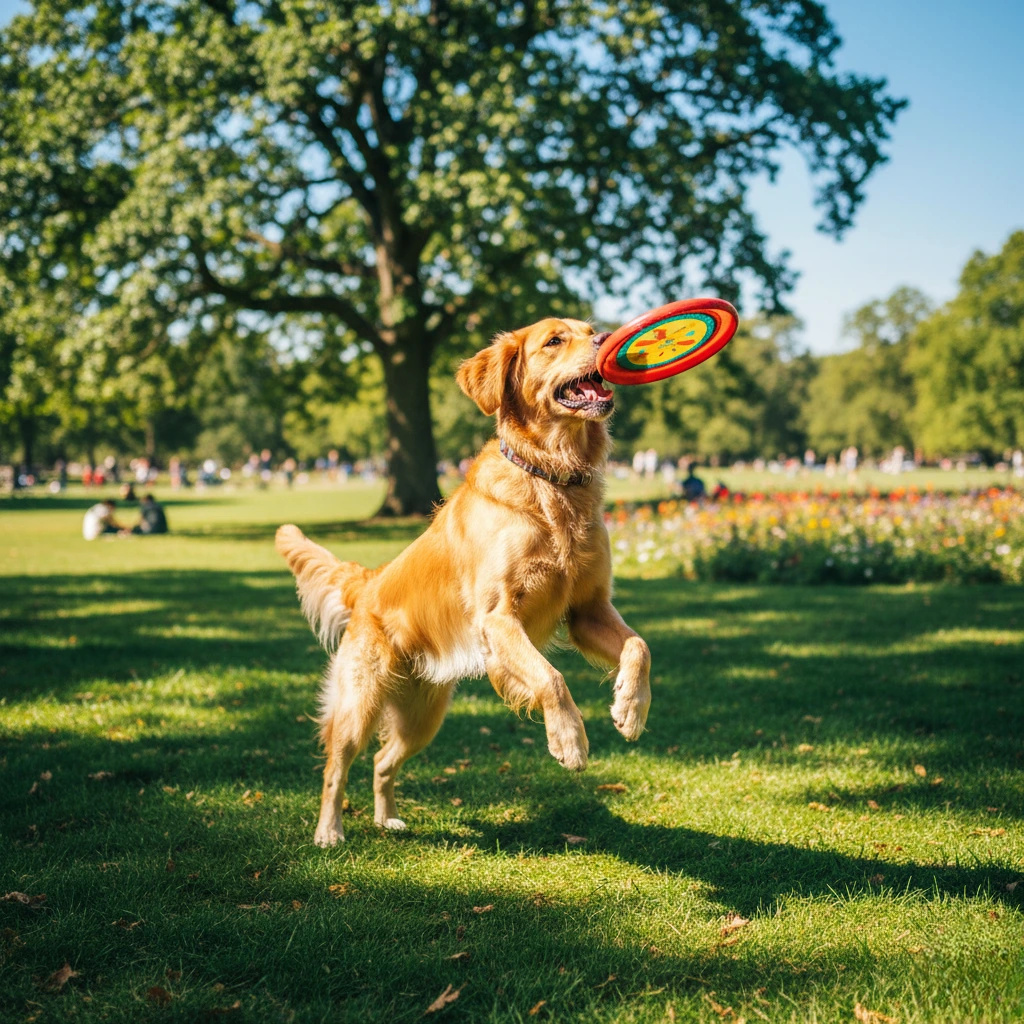
Owning a dog comes with the responsibility of ensuring they are happy, active, and thriving. While regular veterinary checkups are essential, pet owners can also monitor their dogs at home by recognizing healthy dog signs. These indicators help identify whether your dog is in good condition or if there may be underlying health concerns. Knowing what to look for ensures timely intervention and supports your dog’s long-term well-being.
Physical Appearance and Coat Condition
One of the most visible healthy dog signs is a shiny, clean coat. Dogs with well-nourished, soft, and glossy fur are typically receiving a balanced diet and proper grooming. Matted, dull, or patchy fur, on the other hand, can indicate nutritional deficiencies, allergies, or other health problems.
Skin health is equally important. Healthy dogs have skin free from sores, redness, or excessive dryness. Regular brushing not only keeps their coat in good shape but also allows owners to check for unusual lumps, bumps, or parasites. Maintaining grooming routines is a practical part of a dog health checklist that can prevent future issues.
Eyes, Ears, and Nose
Bright, clear eyes without excessive discharge are another key healthy dog sign. Dogs with cloudiness, redness, or constant tearing may be experiencing infections or eye conditions that require veterinary attention.
Ears should be clean and free of odor or excessive wax buildup. Ear infections are common in certain breeds, so monitoring for scratching or head shaking is important.
A moist, cool nose is generally considered a sign of a healthy dog, though it can vary slightly depending on activity and environment. Crusty, dry, or runny noses can indicate dehydration, illness, or allergies. These are all essential points on a comprehensive dog health checklist.
Weight and Body Condition
Maintaining a healthy weight is a critical factor in overall dog wellness. A visible waistline and palpable ribs without excess fat are positive healthy dog signs. Obesity in dogs can lead to joint stress, diabetes, and heart problems, while underweight dogs may be suffering from malnutrition or parasites.
Regularly assessing your dog’s body condition helps differentiate healthy vs unhealthy dog traits. Tracking weight, feeding habits, and activity levels can alert owners to changes that may warrant a veterinary visit.
Energy Levels and Behavior
A dog’s behavior often reflects their internal health. Dogs that are alert, playful, and responsive usually demonstrate healthy dog signs. They should engage with family members, explore their environment, and show enthusiasm during walks or playtime.
Conversely, lethargy, reluctance to move, or sudden changes in temperament can be red flags. Monitoring your dog’s normal behavior patterns is a practical step on any dog health checklist and helps detect issues early.
Appetite and Digestion
Consistent eating habits and normal digestion are crucial indicators of wellness. Dogs that maintain a healthy appetite and have regular, well-formed stools often exhibit healthy dog signs.
Diarrhea, vomiting, or sudden appetite changes may point to gastrointestinal problems, infections, or other medical concerns. Keeping a record of your dog’s eating patterns and bowel movements is a proactive approach to recognizing healthy vs unhealthy dog conditions.
Oral Health
Dental care is another area that often gets overlooked. Healthy gums, clean teeth, and minimal bad breath are key healthy dog signs. Periodontal disease, tartar buildup, and gum inflammation can lead to systemic health issues affecting the heart, kidneys, and liver.
Incorporating teeth brushing and regular dental checkups into your dog health checklist is essential for long-term wellness. Chew toys and dental treats can also support oral hygiene while providing entertainment.
Mental and Emotional Well-Being
A dog’s mental health is as important as their physical condition. Dogs that are engaged, curious, and responsive demonstrate emotional wellness, which is another form of healthy dog signs. Signs of anxiety, excessive barking, or withdrawal can indicate stress or discomfort. Providing a stable environment, regular social interaction, and mental stimulation helps maintain a happy, balanced dog.
Conclusion
Understanding healthy dog signs allows pet owners to monitor their furry companions effectively. From coat quality and body condition to energy levels and emotional health, these indicators provide insight into a dog’s overall well-being. A thorough dog health checklist ensures early detection of potential issues, making it easier to address concerns before they escalate.
Distinguishing healthy vs unhealthy dog characteristics empowers owners to take proactive steps in nutrition, exercise, and veterinary care. By paying attention to these signs, pet parents can ensure their dogs live long, happy, and healthy lives, fostering stronger bonds and peace of mind.