
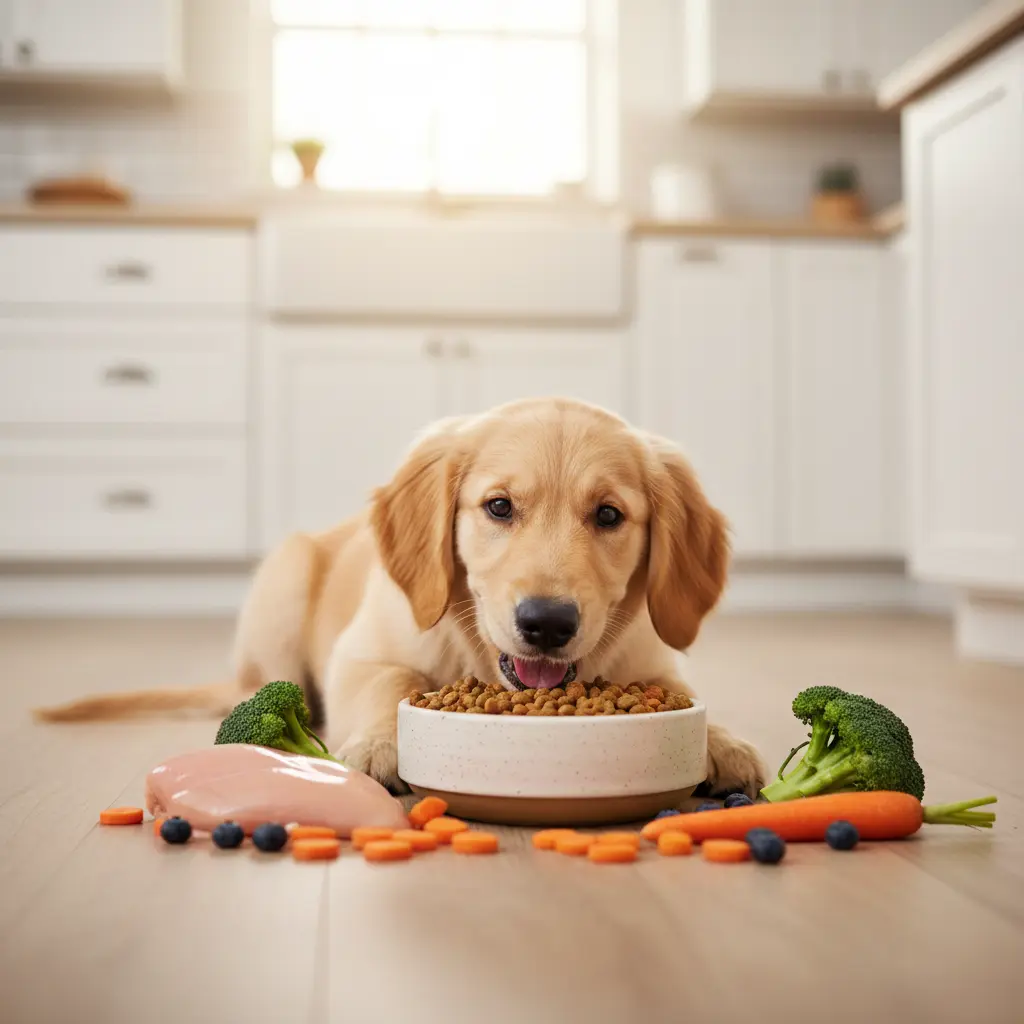
Raising a healthy and happy puppy starts with choosing the best dog food. Puppies have unique nutritional needs that support growth, strong bones, and a healthy immune system. Feeding them a well-balanced diet early sets the foundation for lifelong health.
Selecting the best dog food ensures that your puppy receives essential vitamins, minerals, and nutrients required for proper development. Combining this with puppy nutrition knowledge helps you make informed decisions about feeding schedules, portion sizes, and diet quality.
Why Choosing the Best Dog Food Matters
Puppies grow rapidly in their first year, and their diet plays a critical role in this development. Protein supports muscle growth, fats provide energy, and vitamins and minerals strengthen bones and organs. Feeding low-quality food can lead to deficiencies, stunted growth, and long-term health issues.
The best dog food provides a complete and balanced diet formulated specifically for puppies. Unlike adult dog food, puppy formulas contain higher protein and fat levels to meet their energy needs. A focus on healthy puppy diet ensures optimal growth and prevents nutrient-related health problems.
Key Nutrients in Puppy Diets
High-Quality Protein
Protein is essential for building muscles and repairing tissues. Look for best dog food that lists real meat, poultry, or fish as the first ingredient. High-quality protein supports healthy growth and development during the crucial early months.
Healthy Fats
Fats supply energy for active puppies and help support brain development. Ingredients like fish oil or chicken fat in best dog food promote a shiny coat and healthy skin. Including these fats is vital for a healthy puppy diet.
Essential Vitamins and Minerals
Calcium, phosphorus, and other minerals are critical for strong bones and teeth. Vitamins such as A, D, and E boost immunity and support overall health. Carefully formulated best dog food ensures puppies receive these essential nutrients in the right amounts.
Fiber for Digestion
A proper balance of fiber aids digestion and maintains healthy gut function. High-quality best dog food includes natural sources of fiber like beet pulp or brown rice to support digestive health.
Choosing Between Dry, Wet, and Raw Food
Puppies can thrive on dry kibble, wet food, or a combination of both. Dry kibble helps maintain dental health and is convenient for portion control, while wet food is more palatable and hydrating. Some owners also explore raw food diets for a more natural approach. Regardless of choice, the priority is ensuring it qualifies as the best dog food for puppies.
Feeding Schedule and Portion Control
Puppies need frequent meals to sustain their energy. Most veterinarians recommend feeding small portions 3-4 times a day for young puppies, then gradually reducing to 2 meals per day as they grow. Using best dog food appropriate for their age and size ensures proper nutrition and prevents overfeeding.
Monitoring weight gain and body condition is essential. Overfeeding can lead to obesity, while underfeeding can stunt growth. A structured feeding routine supports a healthy puppy diet and helps maintain consistent energy levels.
Signs of a Healthy Puppy Diet
Puppies on the right best dog food show strong growth, shiny coats, bright eyes, and good energy. Consistent stool quality, healthy skin, and steady weight gain indicate balanced puppy nutrition.
Avoid foods with fillers, artificial additives, or low-quality ingredients. Puppies are sensitive to poor nutrition, which can impact long-term health. Investing in premium best dog food pays off in fewer health issues and stronger development.
Supplements and Special Considerations
Some puppies may benefit from supplements like omega-3 fatty acids for brain development or probiotics for gut health. Always consult your veterinarian before adding supplements. Combining best dog food with professional guidance ensures your puppy’s healthy puppy diet is well-rounded and complete.
Transitioning from Puppy Food to Adult Food
As your puppy grows, transitioning to adult dog food is crucial to meet changing nutritional needs. Gradually mix adult food with puppy food over 7-10 days to avoid digestive upset. Continue monitoring weight, energy, and coat health to ensure the transition is smooth and maintains balanced puppy nutrition.
Final Thoughts
Feeding your puppy the best dog food is one of the most important decisions for their health and happiness. Focus on high-quality ingredients, essential nutrients, and proper feeding schedules to provide a strong foundation.
By understanding puppy nutrition and maintaining a healthy puppy diet, you can ensure your furry friend grows into a healthy, energetic, and happy adult dog. Choosing the right food early makes all the difference in their lifelong well-being.