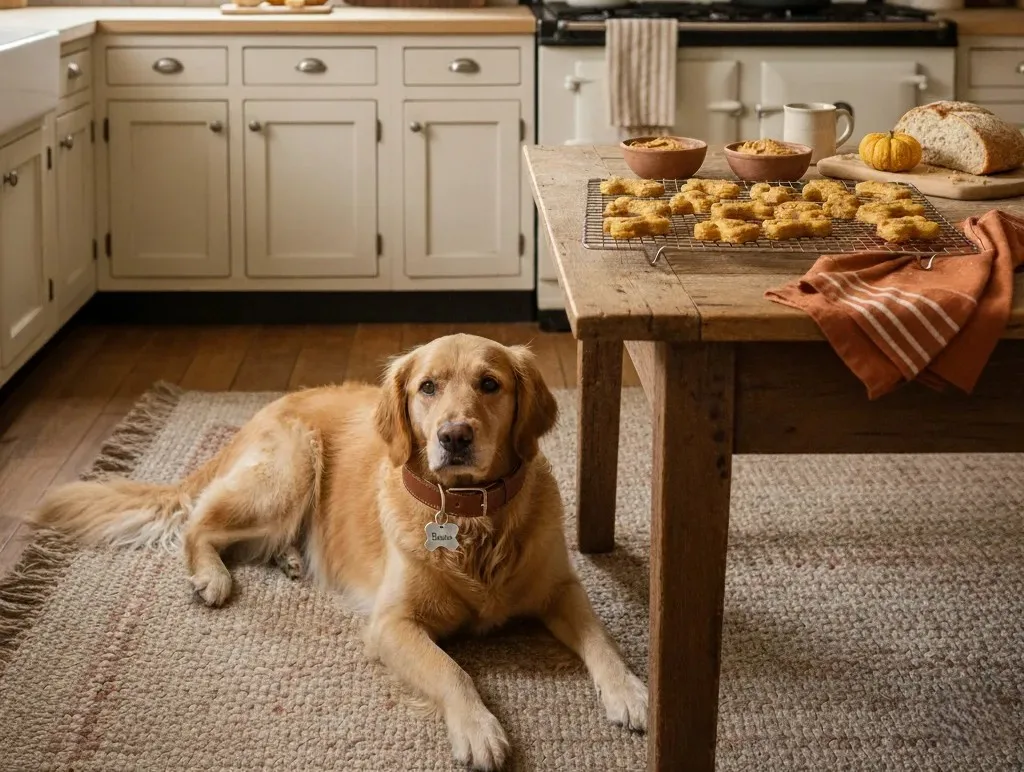


Caring for a pet is a rewarding responsibility, but many pet owners unknowingly make mistakes that can affect their pet’s health and happiness. Understanding common pet care mistakes and learning how to avoid them will help you become a more responsible and confident pet parent.
Not Providing Proper Nutrition
Feeding the Wrong Diet
One of the most frequent pet care mistakes is feeding pets food that does not meet their nutritional needs. Many owners rely on table scraps or low-quality pet food, which can lead to obesity, digestive issues, and nutrient deficiencies.
How to avoid it:
Choose high-quality, species-appropriate food and follow portion guidelines. Consult your veterinarian to select the best diet based on your pet’s age, breed, and health condition.
Skipping Regular Veterinary Visits
Ignoring Preventive Health Care
Some pet owners only visit the vet when their pet is sick. Skipping routine checkups is a serious pet health mistake that can delay early detection of diseases.
How to avoid it:
Schedule regular veterinary visits for vaccinations, dental care, and health screenings. Preventive care saves money and improves your pet’s quality of life.
Lack of Exercise and Mental Stimulation
Underestimating Activity Needs
Insufficient physical activity is a common issue in pet care, especially for dogs and indoor cats. A lack of exercise can cause behavioral problems, anxiety, and weight gain.
How to avoid it:
Provide daily exercise, playtime, and mental stimulation through toys, training, and interactive games. Tailor activities to your pet’s energy level and breed.
Poor Grooming Habits
Neglecting Hygiene and Coat Care
Ignoring grooming needs is another common pet care mistake. Matted fur, long nails, and poor dental hygiene can lead to infections and discomfort.
How to avoid it:
Establish a regular grooming routine, including brushing, nail trimming, ear cleaning, and dental care. Professional grooming may be helpful for certain breeds.
Inconsistent Training and Discipline
Sending Mixed Signals
Inconsistent rules and training confuse pets and encourage bad behavior. This is a frequent pet training mistake among new owners.
How to avoid it:
Use positive reinforcement, be consistent with commands, and ensure all family members follow the same training approach. Patience and consistency are key to effective pet training.
Ignoring Behavioral Changes
Missing Early Warning Signs
Sudden changes in behavior, appetite, or energy levels are often overlooked. Ignoring these signs can worsen underlying health or emotional issues.
How to avoid it:
Pay attention to your pet’s behavior and routines. If you notice unusual changes, consult a veterinarian or animal behaviorist promptly.
Overlooking Safety at Home
Not Pet-Proofing Your Space
Many owners fail to recognize household hazards, making pet safety mistakes such as leaving toxic plants, chemicals, or small objects within reach.
How to avoid it:
Pet-proof your home by securing harmful items, using pet-safe cleaning products, and creating a safe, comfortable environment for your pet.
Final Thoughts on Avoiding Pet Care Mistakes
Avoiding common pet care mistakes starts with education, awareness, and commitment. By providing proper nutrition, regular veterinary care, exercise, grooming, training, and a safe environment, you can ensure your pet lives a healthy and happy life. Responsible pet care not only strengthens your bond with your pet but also improves their overall well-being for years to come.