

Keeping your pets healthy and happy requires more than love and attention — it also involves proactive care. Preventive pet healthcare focuses on maintaining wellness, preventing diseases, and enhancing the quality of life for your furry companions. In this guide, we’ll explore essential preventive measures, including vet checkups, vaccinations, and supplements, that every pet owner should consider.
Why Preventive Pet Healthcare Matters
Preventive care is designed to catch health issues early, before they become serious or costly. Regular monitoring and care help pets live longer, reduce the risk of chronic diseases, and strengthen the bond between pets and their owners. By investing in preventive pet healthcare, you not only protect your pet’s wellbeing but also save money on expensive treatments down the line.
Regular Vet Checkups
Early Detection Saves Lives
Routine veterinary visits are the foundation of preventive pet healthcare. During checkups, veterinarians assess your pet’s overall health, detect early signs of illness, and provide guidance on nutrition, exercise, and lifestyle. For puppies and kittens, frequent visits ensure proper growth and vaccinations, while adult and senior pets benefit from health screenings, dental exams, and age-appropriate tests.
How Often Should Pets See the Vet?
Puppies and kittens: every 3–4 weeks until they complete their vaccination schedule
Adult pets: at least once a year for wellness exams
Senior pets: every 6 months to monitor age-related conditions
Regular checkups help identify problems such as dental disease, obesity, arthritis, or organ issues before they worsen.
Vaccinations for Disease Prevention
Protect Against Common Illnesses
Vaccinations are a cornerstone of preventive pet healthcare. They protect pets from contagious and potentially life-threatening diseases. Core vaccines differ for dogs and cats but generally include protection against rabies, distemper, parvovirus, and feline leukemia.
Tailored Vaccination Plans
A veterinarian can design a vaccination schedule based on your pet’s age, breed, lifestyle, and risk factors. Staying up-to-date with vaccines ensures your pet is protected in high-risk environments, like dog parks, boarding facilities, or multi-pet households.
Supplements for Longevity
Supporting Overall Health
Supplements can play a key role in preventive pet healthcare, especially as pets age or develop specific needs. Common supplements include:
Glucosamine and chondroitin for joint health
Omega-3 fatty acids for skin, coat, and heart health
Probiotics for digestive support
Multivitamins to fill nutritional gaps
Always consult a veterinarian before introducing supplements to ensure proper dosage and suitability for your pet.
Additional Preventive Measures
Beyond the Basics
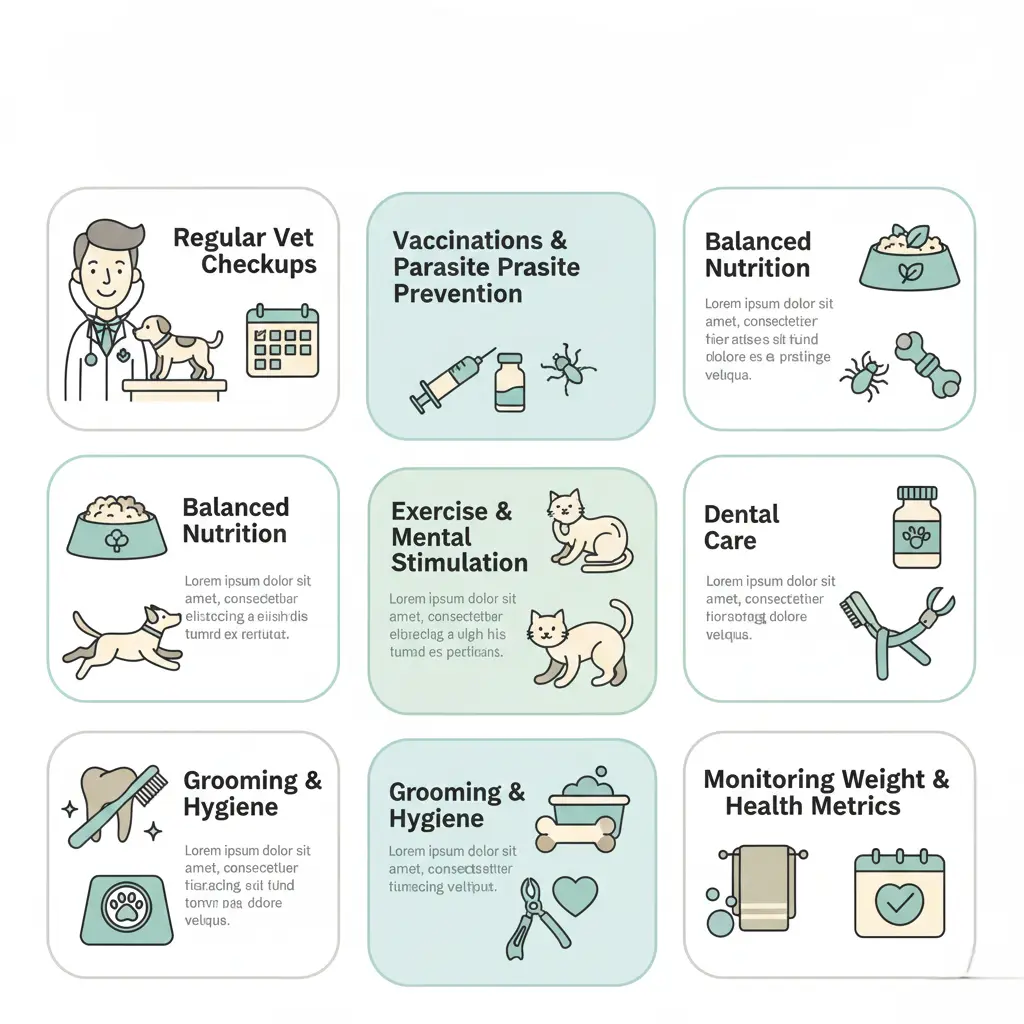
Other preventive steps enhance your pet’s health:
Maintain a balanced diet appropriate for age and breed
Provide regular exercise and mental stimulation
Use flea, tick, and heartworm preventives
Maintain dental hygiene through brushing or dental chews
Combining these practices with regular vet care, vaccinations, and supplements creates a holistic approach to preventive pet healthcare.
Conclusion
Prioritizing preventive pet healthcare ensures your pets live longer, healthier, and happier lives. Vet checkups, vaccinations, and carefully selected supplements are essential tools for early detection, disease prevention, and overall wellness. By adopting these practices, you safeguard your furry friends against illness, promote longevity, and enjoy more joyful years together. Preventive care is not just an option—it’s an investment in your pet’s future.