

Keeping pets healthy requires vigilance and attention to subtle changes in their behavior and physical condition. Detecting illness early can prevent serious health issues and improve recovery outcomes. This guide explains how to detect early signs of illness in pets, helping pet owners act promptly and safeguard their furry friends.
Why Early Detection Matters
Recognizing health issues early allows for timely veterinary intervention, reducing the risk of complications. Many illnesses in pets start subtly, so observing behavioral and physical changes is key to maintaining long-term pet health.
Primary Keywords: Early Signs of Illness in Pets, Pet Health Monitoring, Preventive Pet Care
Common Early Signs of Illness in Pets
1. Changes in Appetite or Water Intake
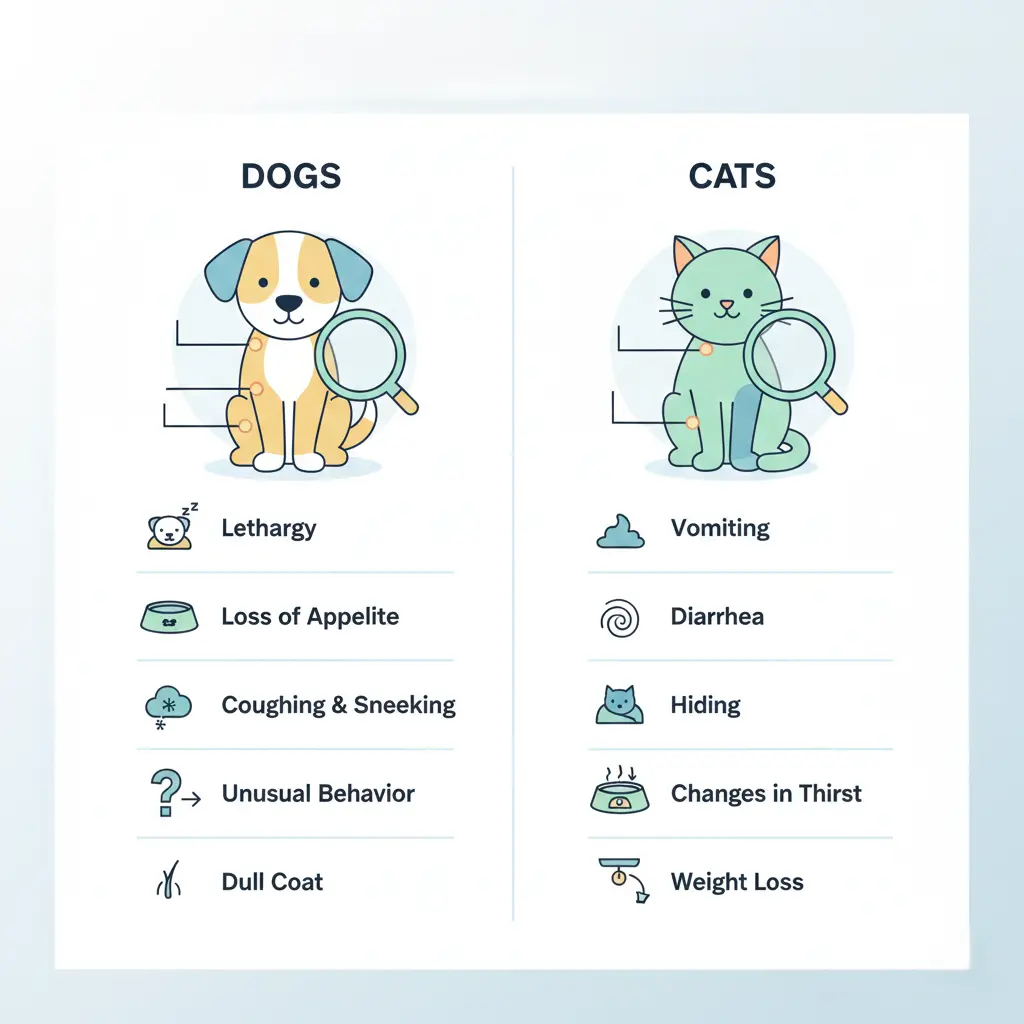
A sudden decrease or increase in appetite or water consumption can indicate underlying issues such as kidney problems, diabetes, or digestive disorders. Track your pet’s eating and drinking patterns to spot unusual changes early.
2. Unusual Behavior or Lethargy
Pets often hide discomfort, so behavioral changes like increased irritability, withdrawal, or unusual aggression may signal illness. Lethargy, reluctance to play, or reduced activity levels are common early warning signs.
3. Weight Loss or Gain
Unexpected weight changes can indicate serious conditions. Sudden weight loss might signal metabolic disorders, while weight gain could point to hormonal imbalances or overfeeding. Regularly monitor your pet’s body condition.
4. Digestive Issues
Vomiting, diarrhea, or constipation can be early signs of gastrointestinal problems. Persistent digestive issues should prompt a veterinary checkup to prevent severe complications.
5. Skin and Coat Changes
Healthy pets have shiny, smooth coats. Dull fur, hair loss, excessive scratching, or skin lesions may indicate allergies, infections, or parasites. Regular grooming can help you detect these signs early.
6. Respiratory or Cardiovascular Changes
Coughing, sneezing, difficulty breathing, or rapid heart rate can indicate respiratory or heart conditions. Early detection through careful observation ensures timely treatment and better outcomes.
7. Changes in Urination or Defecation
Difficulty urinating, frequent accidents, or changes in stool consistency may be symptoms of urinary tract infections, kidney disease, or digestive issues. Monitoring your pet’s elimination habits is essential.
Tips for Monitoring Your Pet’s Health
- Conduct regular checkups with a veterinarian
- Keep a health journal to track changes in appetite, behavior, and weight
- Observe your pet daily for subtle signs of discomfort
- Maintain a balanced diet and proper exercise routine
Conclusion
Knowing how to detect early signs of illness in pets is crucial for responsible pet ownership. By observing behavioral and physical changes and seeking prompt veterinary care, pet owners can prevent serious health issues, ensure timely treatment, and improve their pets’ quality of life. Vigilance and proactive care are the keys to keeping pets happy and healthy.