
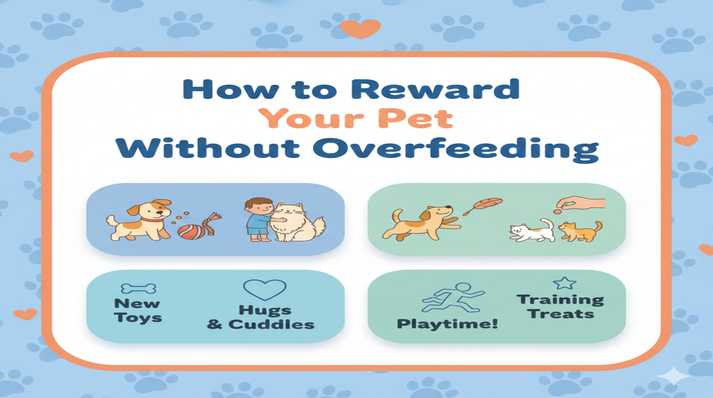
Rewarding your pet is an essential part of training and building a strong bond. However, overfeeding treats can lead to weight gain, health problems, and behavioral issues. The key is to provide rewards in ways that satisfy your pet while keeping their nutrition and health in mind. Here’s how to reward your pet without overfeeding while keeping them happy and healthy.
Use Low-Calorie or Healthy Treats
One of the easiest ways to reward your pet without overfeeding is by choosing low-calorie treats. Many commercial treats are high in sugar, fat, or fillers, which can contribute to obesity. Look for treats specifically designed to be healthy or make your own at home using safe ingredients like carrots, green beans, or small pieces of cooked chicken.
Portion Control Matters
Even healthy treats can add up if you give too much at once. Break treats into smaller pieces to stretch rewards without increasing calories. For example, a single carrot stick can be cut into multiple tiny pieces that feel like multiple rewards to your pet.
Reward With Play Instead of Food
Not all rewards need to be edible. Pets respond well to play-based rewards, which can be just as satisfying as treats. Use fetch, tug-of-war, or a favorite toy to reinforce good behavior. Interactive toys, like puzzle feeders or treat-dispensing balls, combine play and mental stimulation, which keeps your pet engaged and rewarded without overfeeding.
Training With Positive Reinforcement
During training sessions, use toys or verbal praise as rewards. Saying “good job!” with excitement or giving a quick play session can motivate your pet just as effectively as food, especially when combined with occasional healthy treats.
Incorporate Attention and Affection
Pets thrive on attention and love. Sometimes, the best way to reward your pet without overfeeding is through affection. Petting, cuddling, or brushing your pet can serve as a meaningful reward. Many animals, especially dogs and cats, view attention and interaction as highly motivating and reinforcing.
Timing and Consistency Are Key
Give attention immediately after good behavior to reinforce the connection. Consistent positive reinforcement builds habits without relying on excess food.
Rotate Rewards for Variety
To prevent your pet from becoming bored or overeating, rotate between different types of rewards. Use a mix of healthy treats, toys, play sessions, and affection. Variety keeps your pet interested and reduces reliance on food as the only form of reward.
Creative Reward Ideas
- Short outdoor walks or extra playtime
- Puzzle toys filled with small portions of kibble
- Training sessions that end with interactive fun
- Verbal praise, petting, or belly rubs
Monitor Your Pet’s Weight and Health
Even when using low-calorie treats and play rewards, it’s important to monitor your pet’s weight and overall health. Regularly check their body condition and adjust treat amounts or activity levels accordingly. Consulting with your veterinarian can help create a reward plan that balances health and motivation.
Maintain a Rewarding Routine
Establish a routine for rewarding good behavior without food, gradually reducing treat dependence over time. Your pet will learn to respond to praise, toys, and attention just as enthusiastically as to treats.
Final Thoughts on Rewarding Your Pet Without Overfeeding
Rewarding your pet doesn’t have to mean giving more food. By using low-calorie treats, play, attention, and variety, you can motivate and reward your pet while keeping them healthy and happy. Thoughtful rewards strengthen your bond and reinforce good behavior without risking overfeeding or weight gain. A balanced approach ensures your pet feels loved, satisfied, and engaged every day.