
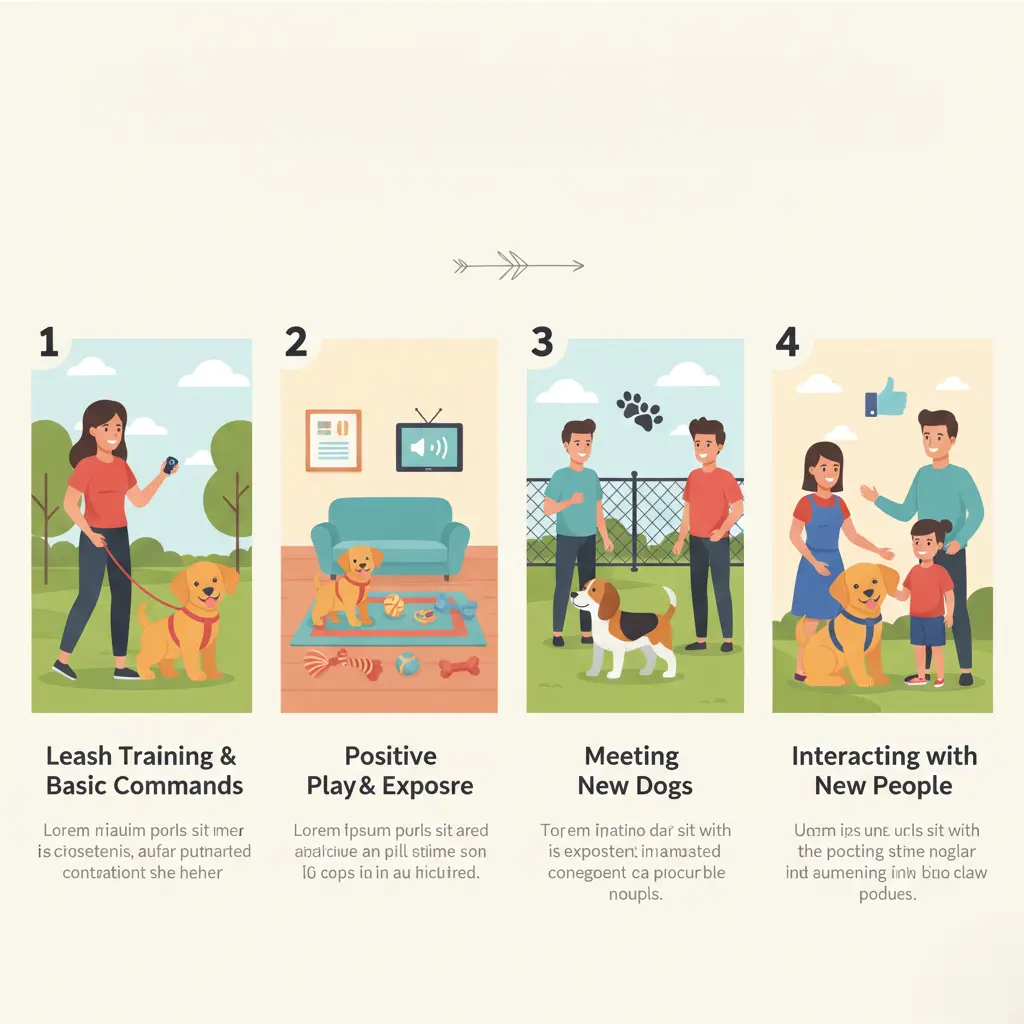
Socializing a puppy is one of the most important steps in raising a well-behaved, confident, and friendly dog. Puppies are like sponges—they learn about the world during their critical socialization period (typically 3–16 weeks old). Proper socialization helps prevent fear, aggression, and anxiety in adult dogs. This step-by-step guide will teach you how to socialize your puppy safely and effectively.
Why Puppy Socialization Is Important
Socialization helps your puppy:
- Interact confidently with people, other dogs, and animals
- Handle new environments and experiences without fear
- Build trust in humans and reduce separation anxiety
- Become a well-adjusted adult dog
Failing to socialize a puppy can lead to behavior issues such as excessive barking, aggression, or anxiety in unfamiliar situations.
Step 1: Start Early
The earlier you start socializing, the better. Puppies are most receptive between 3 and 16 weeks of age, but socialization should continue throughout their first year. Introduce new experiences gradually to avoid overwhelming them.
Tips for Early Socialization
- Expose your puppy to different surfaces like grass, carpet, tile, and sand
- Let them hear various sounds like vacuum cleaners, traffic, and doorbells
- Use treats and positive reinforcement to create happy associations
Step 2: Socialize With People
Puppies need to interact with a variety of people to prevent fearfulness later.
How to Do It
- Invite friends, family, and neighbors to gently meet your puppy
- Include children, men with beards, people wearing hats, and people with different appearances
- Encourage calm interactions and give your puppy treats for friendly behavior
Step 3: Socialize With Other Dogs and Animals
Meeting other dogs helps your puppy learn proper canine etiquette.
Tips
- Arrange playdates with vaccinated, friendly dogs
- Attend puppy classes for structured socialization
- Introduce cats or other pets slowly and under supervision
Always monitor body language to prevent stressful encounters.
Step 4: Expose Your Puppy to New Environments
Puppies need to experience the outside world safely.
Ideas for New Experiences
- Walk your puppy in different neighborhoods
- Take them to pet-friendly stores or cafes
- Introduce car rides, elevators, and public transport
Gradually increase the level of exposure to prevent overwhelming your puppy.
Step 5: Use Positive Reinforcement
Always reward your puppy for calm and confident behavior.
Positive Reinforcement Techniques
- Give treats or praise for friendly greetings
- Use toys to encourage play in new environments
- Avoid punishment—fear-based training hinders socialization
Step 6: Handle Your Puppy Regularly
Getting your puppy comfortable with touch is essential for grooming and vet visits.
How to Handle Safely
- Gently touch their paws, ears, mouth, and tail
- Practice brushing, nail trimming, and bathing with treats
- Make handling a positive and calm experience
Step 7: Enroll in Puppy Classes
Structured puppy classes are one of the best ways to socialize.
Benefits
- Controlled environment for meeting other dogs
- Professional guidance on training and socialization
- Exposure to new people and stimuli
Step 8: Be Consistent and Patient
Socialization is an ongoing process. Even adult dogs benefit from new experiences, but puppies learn fastest when exposure is consistent, gradual, and positive.
Final Thoughts
Properly socializing your puppy sets the foundation for a confident, happy, and well-behaved adult dog. Start early, expose your puppy to new people, dogs, and environments, and use positive reinforcement throughout the process. By following this step-by-step guide, your puppy will grow into a friendly and adaptable companion.