

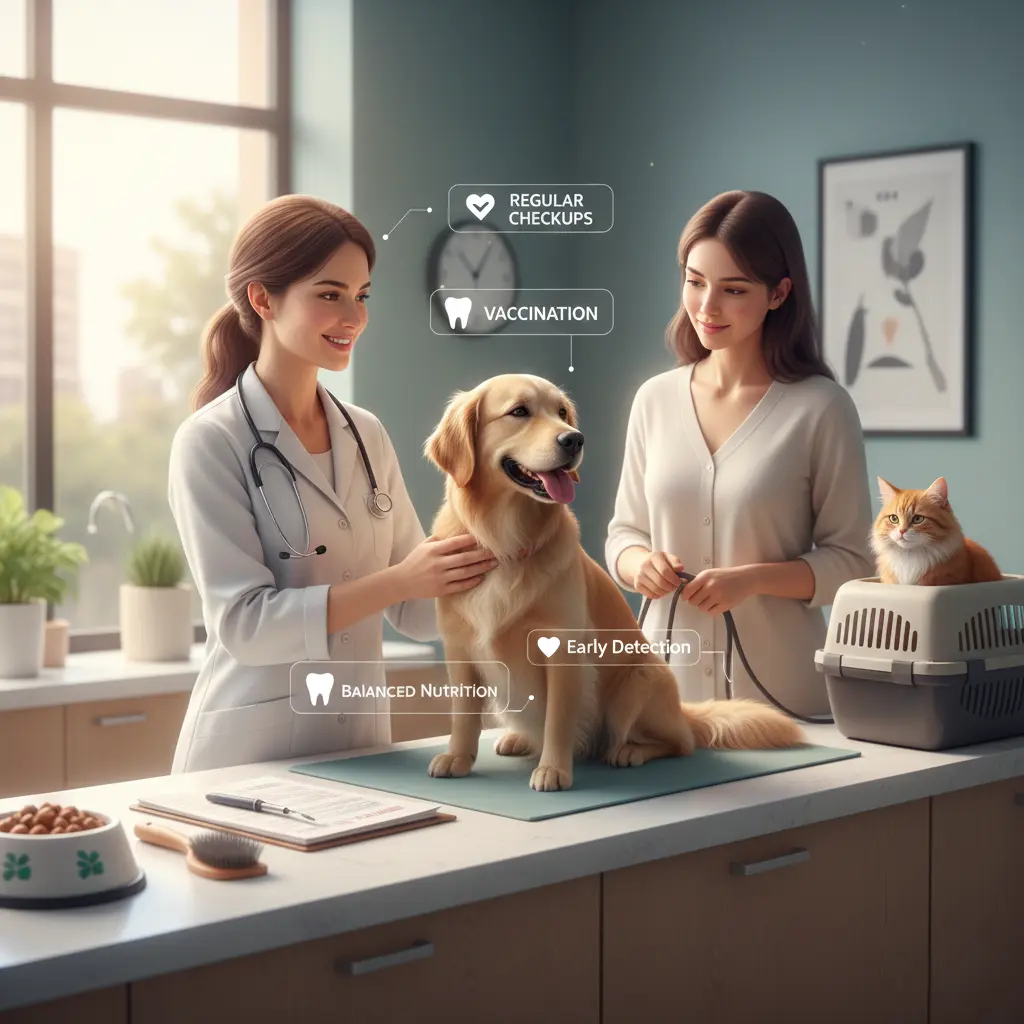
Preventive pet care is the foundation of a long, healthy, and happy life for pets. Rather than waiting for illness or discomfort to appear, preventive care focuses on early detection, routine health management, and proactive wellness practices. For pet owners, understanding the importance of preventive pet care not only reduces long-term veterinary costs but also strengthens the bond between pets and their families.
What Is Preventive Pet Care?
Preventive pet care refers to regular health practices designed to prevent diseases before they become serious. These measures include routine veterinary checkups, vaccinations, parasite control, proper nutrition, dental care, and lifestyle management. Preventive care helps identify potential health issues early, when they are easier and less expensive to treat.
Preventive Care vs Reactive Care
Reactive care treats illnesses after symptoms appear, often requiring intensive treatment. Preventive care, on the other hand, focuses on stopping problems before they start. This proactive approach improves quality of life and reduces medical emergencies.
Why Preventive Pet Care Is Essential
Pets age faster than humans, which means health issues can progress rapidly. Preventive care ensures that changes in health are detected early, improving outcomes and extending lifespan.
Early Detection of Health Issues
Regular veterinary visits allow early detection of conditions such as diabetes, kidney disease, arthritis, and heart problems. Early diagnosis leads to more effective treatment and better long-term management.
Improved Quality of Life
Preventive pet care helps maintain energy levels, mobility, and comfort. Pets that receive routine care experience fewer health complications and enjoy a more active and pain-free life.
Key Components of Preventive Pet Care
A complete preventive care plan addresses physical health, nutrition, and mental well-being.
Routine Veterinary Checkups
Annual or biannual vet visits are crucial for monitoring your pet’s overall health. Vets perform physical exams, weight checks, and diagnostic screenings to ensure pets are developing and aging properly.
Vaccinations and Disease Prevention
Vaccinations protect pets from serious and potentially fatal diseases. Keeping vaccinations up to date not only protects individual pets but also helps prevent the spread of diseases in the community.
Parasite Prevention and Control
Fleas, ticks, and worms can cause severe health problems if left untreated. Preventive medications protect pets from parasites that can lead to infections, anemia, and chronic illness.
Role of Nutrition in Preventive Pet Care
Proper nutrition is a cornerstone of preventive pet care. A balanced diet supports immunity, digestion, and overall wellness.
Balanced Diet for Long-Term Health
Feeding pets age-appropriate, high-quality food reduces the risk of obesity, joint problems, and digestive disorders. Nutritional needs vary by species, breed, and life stage, making personalized diets essential.
Preventing Obesity and Related Diseases
Obesity is one of the most common preventable health issues in pets. Preventive care includes portion control, healthy snacks, and regular exercise to maintain an ideal weight.
Dental Care as Preventive Pet Care
Dental health is often overlooked but plays a major role in overall pet wellness.
Importance of Oral Hygiene
Dental disease can lead to infections that affect the heart, liver, and kidneys. Preventive dental care such as brushing, dental treats, and professional cleanings helps avoid serious complications.
Signs of Dental Problems in Pets
Bad breath, difficulty eating, and inflamed gums are early warning signs. Preventive dental care helps identify and address these issues before they worsen.
Mental Health and Preventive Pet Care
Preventive care also includes mental and emotional well-being.
Mental Stimulation and Enrichment
Toys, training, social interaction, and playtime reduce stress and prevent behavioral issues. Mental stimulation supports cognitive health, especially in senior pets.
Reducing Stress and Anxiety
Routine schedules, positive reinforcement, and calming environments help prevent anxiety-related behaviors. Preventive mental care improves overall happiness and behavior.
Cost Benefits of Preventive Pet Care
While preventive care involves regular expenses, it significantly reduces long-term costs.
Lower Veterinary Bills Over Time
Treating advanced diseases can be costly. Preventive care minimizes emergency visits and expensive treatments by addressing issues early.
Financial Predictability for Pet Owners
Routine care allows pet owners to budget for health expenses instead of facing unexpected medical emergencies.
Preventive Pet Care Across Life Stages
Preventive care needs change as pets grow and age.
Preventive Care for Puppies and Kittens
Early vaccinations, parasite prevention, and nutritional planning set the foundation for lifelong health.
Preventive Care for Adult and Senior Pets
As pets age, preventive care focuses on managing chronic conditions, mobility, and comfort through regular screenings and lifestyle adjustments.
Conclusion: Why Preventive Pet Care Matters
The importance of preventive pet care cannot be overstated. It protects pets from avoidable diseases, enhances quality of life, and strengthens the human-animal bond. By investing in preventive care, pet owners ensure their pets live longer, healthier, and happier lives. Preventive pet care is not just a responsibility—it is a commitment to lifelong wellness.