

Introduction to Pet Snacks
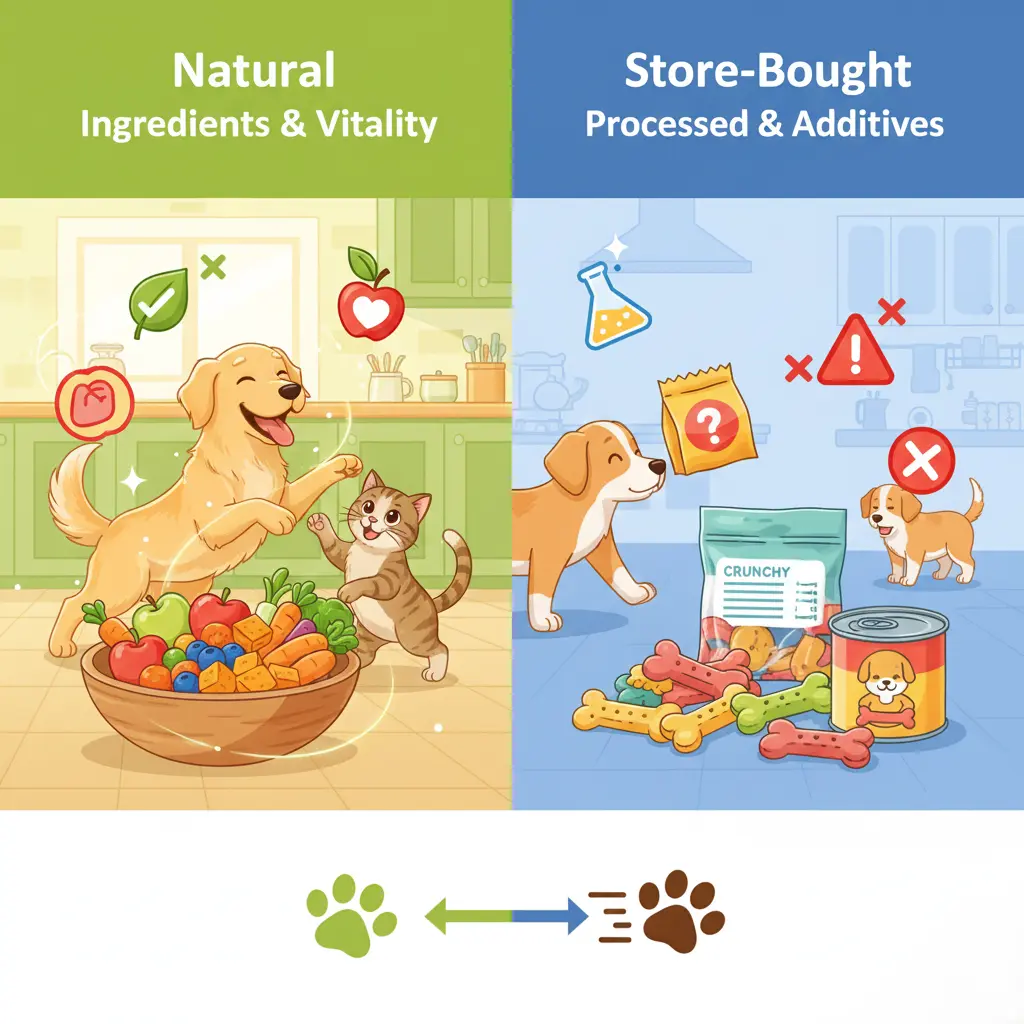
Choosing the right pet snacks is crucial for your pet’s health, energy, and overall well-being. Pet owners often face the decision between natural homemade snacks and store-bought treats. Each option has unique advantages and drawbacks. Understanding these can help you select the best snacks for your furry friends.
What Are Natural Pet Snacks?
Natural pet snacks are treats made from whole, unprocessed ingredients. These are often prepared at home or purchased from specialty brands that focus on minimal additives and preservatives. Examples include:
- Homemade chicken jerky
- Baked pumpkin or sweet potato treats
- Peanut butter and oat biscuits (pet-safe)
Pros of Natural Pet Snacks
- No artificial additives: Free from preservatives, colors, or flavors
- Customizable: Tailor ingredients to your pet’s dietary needs and allergies
- Fresh and nutrient-rich: Maintains vitamins, minerals, and protein levels
- Better control of portion and quality: You know exactly what your pet consumes
Cons of Natural Pet Snacks
- Time-consuming: Requires preparation and cooking
- Short shelf life: Natural snacks often spoil faster than store-bought options
- Nutritional balance may vary: Risk of missing essential nutrients if not properly planned
What Are Store-Bought Pet Snacks?
Store-bought pet snacks are commercially prepared treats available in pet stores or online. They are convenient, pre-packaged, and often fortified with nutrients.
Pros of Store-Bought Pet Snacks
- Convenient and ready to use: Ideal for busy pet owners
- Consistent nutrition: Many are formulated to meet specific dietary requirements
- Long shelf life: Can be stored for months without spoiling
- Variety and flavors: Wide selection of flavors and textures for dogs and cats
Cons of Store-Bought Pet Snacks
- Artificial ingredients: Some may contain preservatives, colors, or fillers
- Costly: High-quality commercial treats can be expensive
- Less control over ingredients: Potential exposure to allergens or low-quality components
Comparing Natural vs. Store-Bought Pet Snacks
| Feature | Natural Snacks | Store-Bought Snacks |
|---|---|---|
| Ingredients | Whole, minimal additives | Pre-packaged, may contain fillers/preservatives |
| Nutritional Value | Fresh and customizable | Often fortified but may include artificial additives |
| Convenience | Time-consuming to make | Ready-to-eat, long shelf life |
| Cost | Usually cheaper but time investment | Can be expensive depending on quality |
| Safety | Safe if prepared correctly | Risk of low-quality ingredients if not chosen carefully |
Tips for Choosing the Right Pet Snacks
- Check Ingredients: Whether natural or store-bought, avoid harmful ingredients like chocolate, onions, grapes, and artificial sweeteners.
- Consider Your Pet’s Needs: Age, activity level, and health conditions affect snack choice.
- Mix Options: Using both natural and high-quality store-bought snacks can offer balance, convenience, and nutrition.
- Moderation is Key: Snacks should complement, not replace, regular meals.
Conclusion
Both natural and store-bought pet snacks have their advantages and disadvantages. Natural snacks offer freshness, customization, and nutrient-rich ingredients but require effort. Store-bought treats provide convenience, consistency, and variety but may contain additives. By understanding the pros and cons, pet owners can make informed decisions that keep their pets healthy, happy, and energized.