

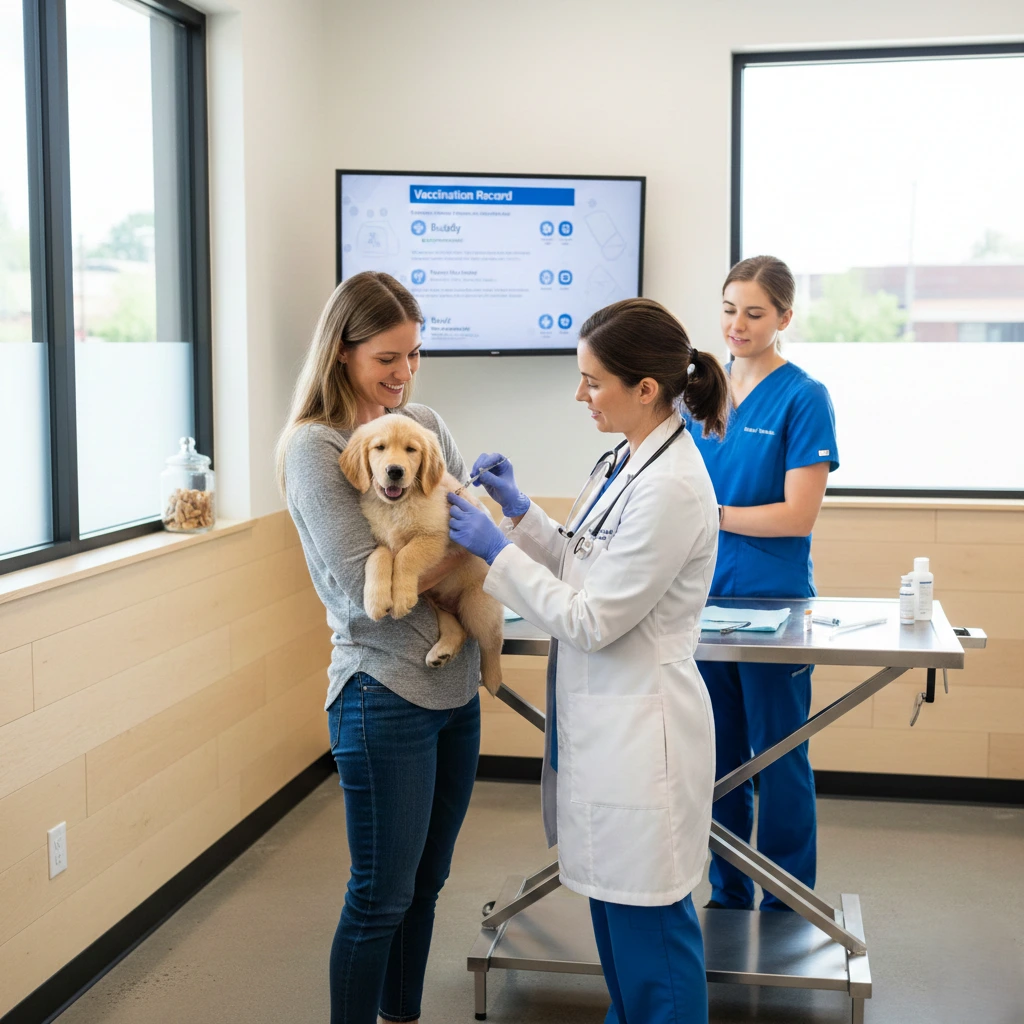
Keeping your furry companion healthy begins with following the right pet vaccination schedule. Vaccinations protect pets from serious, contagious, and sometimes life-threatening diseases. Whether you’ve just brought home a new puppy or you’re caring for an adult dog, understanding the timing and purpose of vaccines is essential for long-term health.
A well-planned pet vaccination schedule helps build immunity at the correct stages of development. Skipping or delaying shots can leave your pet vulnerable, especially during the early months of life when their immune system is still maturing.
Why Vaccinations Are Important
Vaccines stimulate your pet’s immune system to recognize and fight specific viruses and bacteria. They are divided into core vaccines, which are recommended for all dogs, and non-core vaccines, which depend on lifestyle and environmental risk factors.
Following a consistent pet vaccination schedule ensures your dog develops strong protection against common diseases such as rabies, distemper, parvovirus, and hepatitis. These illnesses can spread quickly and may be fatal without prevention.
Veterinarians tailor each pet vaccination schedule based on age, breed, health status, and exposure risk. Regular checkups help ensure your dog stays protected as they grow.
Puppy Vaccination Timeline
Puppy vaccination starts early because young dogs are highly susceptible to infections. Maternal antibodies provide temporary protection, but they fade over time, making timely vaccinations critical.
6 to 8 Weeks
At this stage, puppies typically receive their first DHPP vaccine, which protects against distemper, hepatitis, parvovirus, and parainfluenza. This marks the beginning of the dog vaccine schedule first year.
10 to 12 Weeks
Puppies receive a second DHPP booster. Depending on lifestyle, your veterinarian may also recommend non-core vaccines. Continuing the pet vaccination schedule during this period strengthens immunity as maternal antibodies decline.
14 to 16 Weeks
A third DHPP booster is administered, along with the rabies vaccine in many regions. Completing these early rounds of puppy vaccination is essential to ensure full protection.
Staying on track with the pet vaccination schedule during these weeks prevents gaps in immunity. Missing a booster may require restarting the series, depending on your vet’s advice.
Dog Vaccine Schedule First Year
The dog vaccine schedule first year extends beyond the initial puppy series. Around 12 months after completing the early vaccinations, dogs typically receive booster shots for DHPP and rabies.
These boosters reinforce immunity and transition your puppy into protected adulthood. The dog vaccine schedule first year is crucial because it establishes long-term defense against highly contagious diseases.
Maintaining your pet vaccination schedule throughout this first year helps protect not only your dog but also other animals in your community.
Non-Core Vaccines to Consider
Not all dogs have the same lifestyle. Some may attend daycare, visit dog parks, or travel frequently. In these cases, veterinarians may recommend additional vaccines such as Bordetella, leptospirosis, Lyme disease, or canine influenza.
Your vet may adjust the pet vaccination schedule to include these based on your dog’s risk factors. Discussing your pet’s daily activities helps ensure the most effective protection plan.
Adult Dog Vaccination Guidelines
After completing the dog vaccine schedule first year, most core vaccines are given every one to three years. Rabies vaccination frequency often depends on local regulations.
Continuing a regular pet vaccination schedule into adulthood ensures immunity remains strong. Even healthy adult dogs need boosters to maintain protection against evolving viruses.
Annual wellness visits are also an opportunity to review vaccine records, monitor overall health, and make any necessary adjustments to your pet vaccination schedule.
What Happens If You Miss a Vaccine
Life can get busy, but missing a vaccine appointment should be addressed quickly. Contact your veterinarian to determine the next steps. In many cases, your dog can simply receive the overdue booster without restarting the entire series.
Consistency is the key to an effective pet vaccination schedule. Setting reminders or scheduling appointments in advance can help keep your dog’s protection up to date.
Final Thoughts
Understanding puppy vaccination and completing the dog vaccine schedule first year builds a strong foundation for lifelong health. Vaccines are one of the most effective tools for preventing serious disease and reducing the spread of infections.
By committing to a reliable pet vaccination schedule and working closely with your veterinarian, you are taking an important step toward ensuring your dog lives a long, healthy, and happy life.