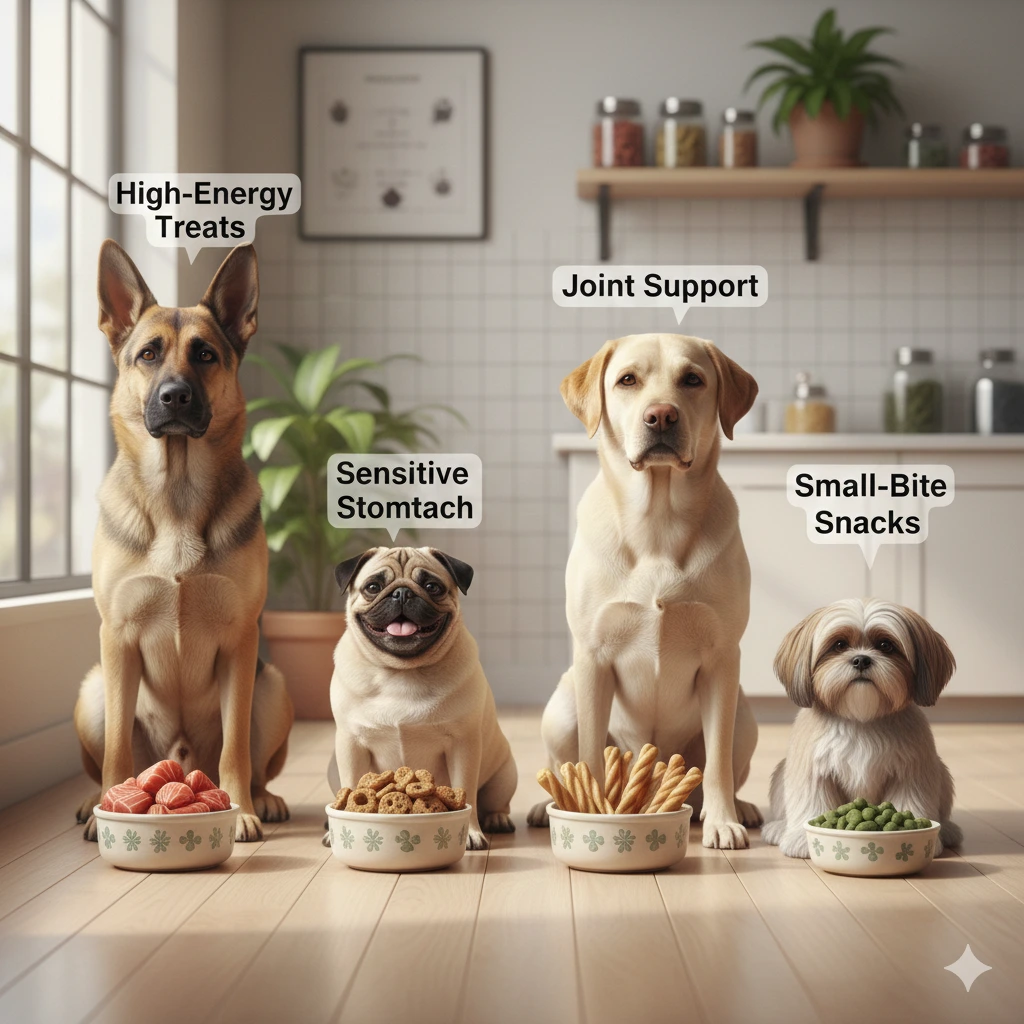


Pets, like humans, experience stress. Changes in routine, environment, or health can cause anxiety and discomfort in dogs, cats, and even smaller animals. Recognising the signs your pet might be stressed early can prevent serious behavioural or health issues. Understanding stress indicators and knowing how to help ensures your pet stays happy, healthy, and well-adjusted.
Common Signs Your Pet Might Be Stressed
Pets often exhibit subtle behaviors when they are anxious. Look for physical, behavioral, and emotional cues.
Physical Signs
- Excessive shedding or hair loss
- Panting, pacing, or trembling
- Changes in appetite or weight
- Digestive issues like vomiting or diarrhea
Behavioral Signs
- Aggression or irritability toward family members or other pets
- Hiding or avoiding interaction
- Excessive grooming or licking
- Destructive behavior, such as chewing furniture or scratching surfaces
Emotional Signs
- Restlessness or inability to settle
- Clinginess or seeking constant attention
- Fearful reactions to normal household noises or activities
Causes of Pet Stress
Understanding why your pet is stressed can help address the root problem:
- Environmental changes: Moving homes, new furniture, or loud noises
- Routine disruption: Altered feeding schedules or changes in daily walks
- Social stress: Introduction of new pets or family members
- Health issues: Pain, illness, or age-related changes
How to Help a Stressed Pet
Create a Calm Environment
Provide a quiet space where your pet can relax. Comfortable bedding, dim lighting, and minimal disturbances help reduce anxiety. Calm environments are particularly effective for cats, rabbits, and other sensitive animals.
Stick to a Routine
Pets thrive on consistency. Feeding, walks, and playtime at predictable times reduce stress. Maintaining a daily routine reassures your pet and provides a sense of security.
Engage in Physical and Mental Stimulation
Exercise and enrichment activities help pets release pent-up energy. Toys, puzzle feeders, training sessions, and outdoor walks provide both mental and physical stimulation, reducing stress behaviors.
Use Positive Reinforcement
Reward calm and relaxed behavior with treats, praise, or gentle petting. Positive reinforcement strengthens trust and helps your pet associate stress-free behavior with rewards.
Consult a Veterinarian or Behaviorist
If stress signs persist, it may indicate an underlying health problem or severe anxiety. Veterinarians or certified animal behaviorists can offer treatment plans, therapy, or behavioral training tailored to your pet.
Prevention Tips
- Introduce changes gradually
- Socialize pets early and safely
- Monitor their behavior closely during stressful events
- Use calming products like pheromone diffusers or anxiety wraps if needed
Conclusion
Recognizing the signs your pet might be stressed is essential for their health and happiness. By observing behavior, maintaining routines, providing stimulation, and seeking professional help when needed, you can reduce anxiety and improve your pet’s quality of life.
A relaxed, confident pet is a happy pet—and addressing stress early ensures your companion thrives in a safe, loving environment.