

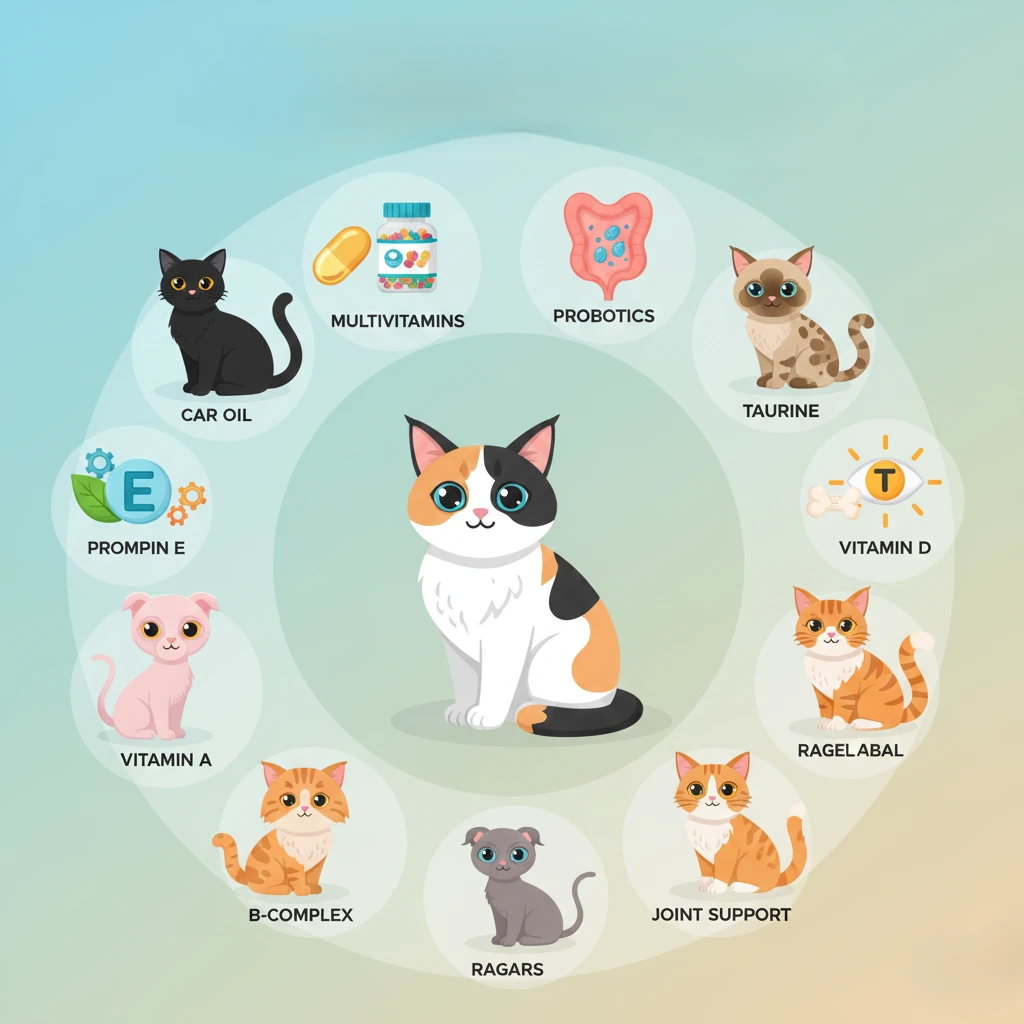
Keeping your cat healthy goes beyond feeding them the right food. While a balanced diet provides most nutrients, some cats may need vitamins and supplements to support their overall health. From improving immunity to supporting joint health, the right supplements can make a big difference in your cat’s well-being. Here’s a guide to the top 10 essential vitamins and supplements for cats that every pet owner should know about.
1. Vitamin A
Vitamin A is crucial for maintaining healthy vision, skin, and immune function in cats. Cats cannot convert beta-carotene from plants into vitamin A efficiently, so they need it from animal-based sources or supplements. A deficiency can lead to poor coat quality, vision problems, and immune issues.
2. Vitamin D
Vitamin D helps regulate calcium and phosphorus, which are essential for strong bones and teeth. Unlike humans, cats cannot synthesize enough vitamin D from sunlight, so supplementation may be necessary, especially if your cat eats a home-cooked diet.
3. Vitamin E
Vitamin E acts as a powerful antioxidant, protecting cells from damage caused by free radicals. It supports skin health, immunity, and reproductive health. Cats with low vitamin E intake may develop muscular degeneration or skin problems.
4. Vitamin B Complex
B vitamins, including B1 (thiamine), B2 (riboflavin), B6 (pyridoxine), and B12 (cobalamin), play a vital role in energy production, metabolism, and nervous system function. Cats on a diet lacking in meat or certain commercial foods may benefit from B-complex supplements to prevent fatigue, neurological issues, and poor appetite.
5. Taurine
Taurine is an essential amino acid for cats that supports heart health, vision, and reproduction. Cats cannot produce enough taurine on their own, making it critical to include it in their diet or supplements. Taurine deficiency can lead to serious health issues like dilated cardiomyopathy and retinal degeneration.
6. Omega-3 Fatty Acids
Omega-3 fatty acids, such as EPA and DHA, help maintain a healthy coat, reduce inflammation, and support brain and heart health. Fish oil supplements are commonly used to provide these essential fats, which are especially beneficial for older cats or those with arthritis.
7. Probiotics
Probiotics are beneficial bacteria that support digestive health and boost the immune system. Cats with sensitive stomachs or digestive issues can benefit from probiotic supplements, which help maintain healthy gut flora, improve nutrient absorption, and reduce diarrhea or constipation.
8. Calcium and Phosphorus
Calcium and phosphorus are essential for strong bones and teeth. While most commercial cat foods are balanced, cats on homemade diets or specific life stages may need supplementation. Proper balance is key, as too much or too little of either mineral can cause bone disorders.
9. L-Carnitine
L-Carnitine supports fat metabolism and helps maintain a healthy weight and muscle mass. It is particularly useful for overweight or senior cats to improve energy levels and prevent obesity-related issues. L-Carnitine also benefits cats with heart problems.
10. Multivitamin Supplements
A comprehensive multivitamin can fill nutritional gaps and ensure your cat receives all essential nutrients. Multivitamins often include a combination of vitamins, minerals, amino acids, and antioxidants. They are particularly useful for picky eaters or cats with health conditions that affect nutrient absorption.
Tips for Using Vitamins and Supplements Safely
- Always consult a veterinarian before starting any supplement, as excessive doses can be harmful.
- Choose supplements formulated specifically for cats, as human vitamins may contain toxic ingredients.
- Monitor your cat for changes in appetite, energy, or coat quality after introducing a supplement.
- Keep supplements stored safely out of reach to prevent accidental ingestion.
Final Thoughts
Providing your cat with the right vitamins and supplements can improve their quality of life, support overall health, and prevent deficiencies. While most cats get sufficient nutrients from a balanced commercial diet, supplements like taurine, omega-3 fatty acids, and probiotics can offer additional benefits. Understanding which vitamins are essential helps cat owners make informed decisions and keep their feline friends healthy and happy for years to come.