

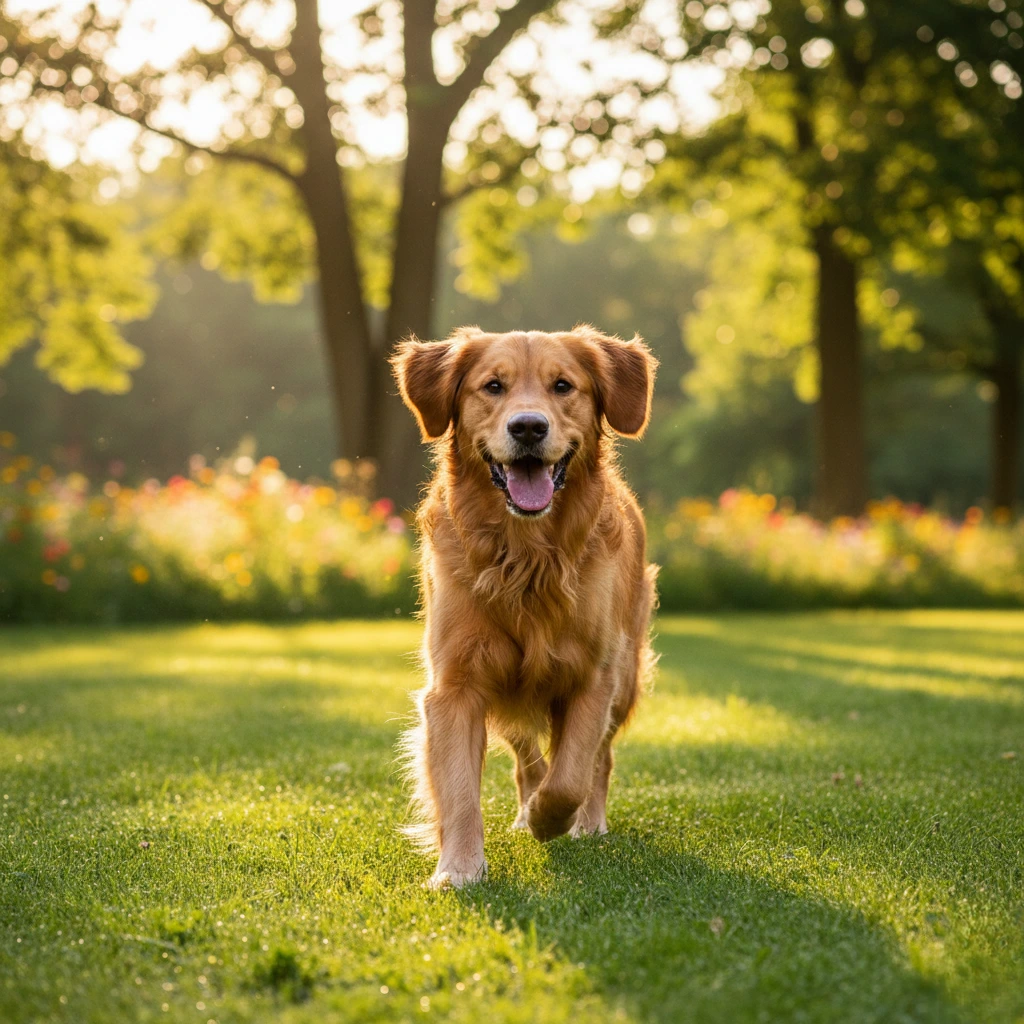
Every dog owner wants their furry companion to live a long, happy, and healthy life. Ensuring good dog health goes beyond feeding and occasional walks—it involves understanding potential health risks, preventive care, and adopting healthy routines. By taking proactive measures, you can keep your dog energetic, happy, and free from avoidable illness.
Understanding the Importance of Dog Health
Maintaining proper dog health is crucial because dogs can’t communicate discomfort the way humans do. Minor issues, if ignored, can escalate into serious conditions. Regular check-ups, a balanced diet, and preventive care can significantly reduce the likelihood of disease and improve your dog’s quality of life.
Common Health Issues in Dogs
Dogs are prone to several health problems, many of which are preventable with proper care. Some common concerns include:
- Obesity – Overweight dogs face increased risks of diabetes, joint problems, and heart disease. Monitoring food intake and encouraging regular exercise are key to maintaining a healthy weight.
- Dental Problems – Plaque and tartar buildup can lead to gum disease, tooth loss, and systemic infections. Regular brushing, dental chews, and veterinary dental care help maintain oral hygiene.
- Parasites – Fleas, ticks, and worms can cause discomfort and transmit diseases. Preventive medications and routine vet checks are essential for protection.
- Skin Conditions – Allergies, infections, and parasites often cause itchy, inflamed skin. Regular grooming, checking for signs of irritation, and proper nutrition contribute to healthy skin and coat.
- Joint and Mobility Issues – Aging dogs may develop arthritis or hip dysplasia. Early intervention with supplements, moderate exercise, and veterinary guidance can improve mobility and comfort.
Preventive Measures for Dog Health
Preventing illness is always better than treating it. Here are some actionable dog care tips to support your dog’s overall well-being:
- Regular Vet Visits – Annual check-ups allow early detection of potential health problems. Puppies and senior dogs may require more frequent visits.
- Balanced Nutrition – Feed a high-quality diet suited to your dog’s breed, size, and age. Proper nutrition supports immunity, digestion, and energy levels.
- Exercise and Mental Stimulation – Daily walks, playtime, and interactive toys prevent obesity and behavioral issues. Mental engagement is as important as physical activity.
- Vaccinations and Preventive Medications – Keep vaccines up-to-date and use flea, tick, and heartworm preventives as advised by your vet.
- Dental Care – Brushing teeth, offering dental chews, and scheduling professional cleanings help prevent oral disease.
Recognizing Early Signs of Illness
Even with preventive care, dogs may develop health problems. Being able to identify early warning signs can help prevent dog illness from worsening. Watch for:
- Changes in appetite or water intake
- Unusual lethargy or reduced activity
- Persistent coughing, sneezing, or difficulty breathing
- Vomiting, diarrhea, or digestive disturbances
- Skin rashes, hair loss, or persistent scratching
Timely intervention can save your dog from serious complications and reduce treatment costs.
Grooming and Hygiene for Health
Proper grooming contributes significantly to dog health. Regular brushing removes loose hair, reduces shedding, and distributes natural oils for a healthy coat. Bathing your dog with appropriate shampoos, trimming nails, and cleaning ears prevents infections and discomfort. Grooming sessions also allow you to spot lumps, bumps, or injuries early.
Lifestyle Tips for Long-Term Wellness
A proactive lifestyle ensures your dog remains healthy well into their senior years. Some dog care tips include:
- Maintaining a consistent feeding schedule to regulate metabolism
- Avoiding toxic foods like chocolate, grapes, onions, or artificial sweeteners
- Providing a clean, safe environment to reduce exposure to harmful bacteria or accidents
- Encouraging socialization and mental stimulation to reduce stress
By implementing these strategies, you strengthen your dog’s immunity and reduce the risk of common illnesses.
Conclusion
Ensuring good dog health requires a combination of preventive care, proper nutrition, exercise, and attentive observation. Following dog care tips, monitoring behavior, and consulting your veterinarian regularly can help prevent dog illness before it becomes serious. From routine check-ups to daily exercise and proper grooming, small steps go a long way in supporting your furry friend’s health.
A healthy dog is a happy dog, and investing time and care today ensures many joyful years together. With commitment, knowledge, and love, you can help your dog thrive and enjoy a long, vibrant life.